Quick Summary:Molded Pulp Clamshells are sustainable takeaway food packaging solutions made from renewable fiber materials, designed to protect meals while improving environmental performance. These molded fiber containers provide restaurants, delivery businesses, and foodservice suppliers with reliable alternatives for traditional takeaway packaging through strong structure, food compatibility, and customizable designs.
Why Molded Pulp Clamshells Are Becoming the Future of Sustainable Takeaway Food Packaging
The takeaway food industry is changing rapidly. Restaurants, food delivery companies, and food brands are facing new challenges beyond simply delivering meals. Packaging must now protect food quality, improve customer experience, support sustainability goals, and meet increasingly strict environmental expectations.
A restaurant serving hundreds or thousands of takeaway meals every day depends on packaging that can perform consistently. A container that leaks, loses shape, or fails during transportation can directly affect customer satisfaction and brand reputation.
This is why many businesses are turning to Molded Pulp Clamshells as a next-generation solution for takeaway food packaging.
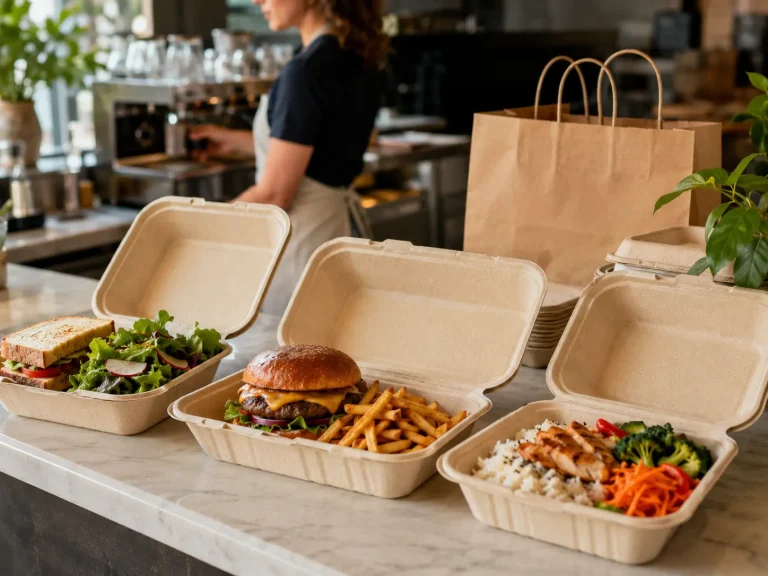
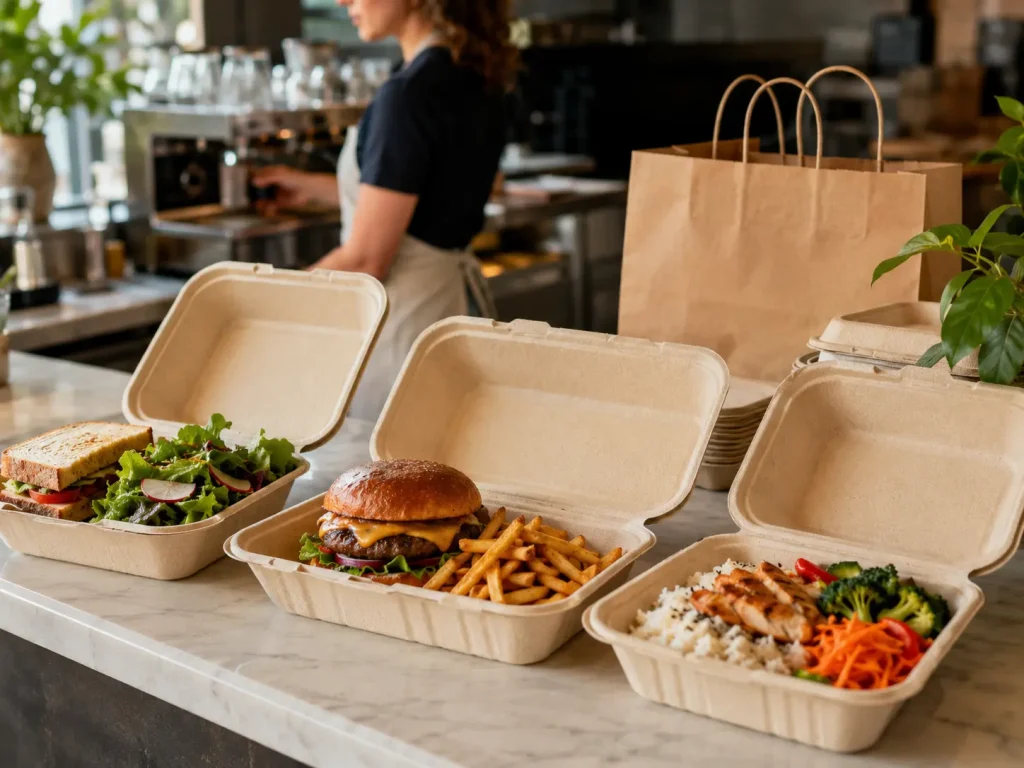
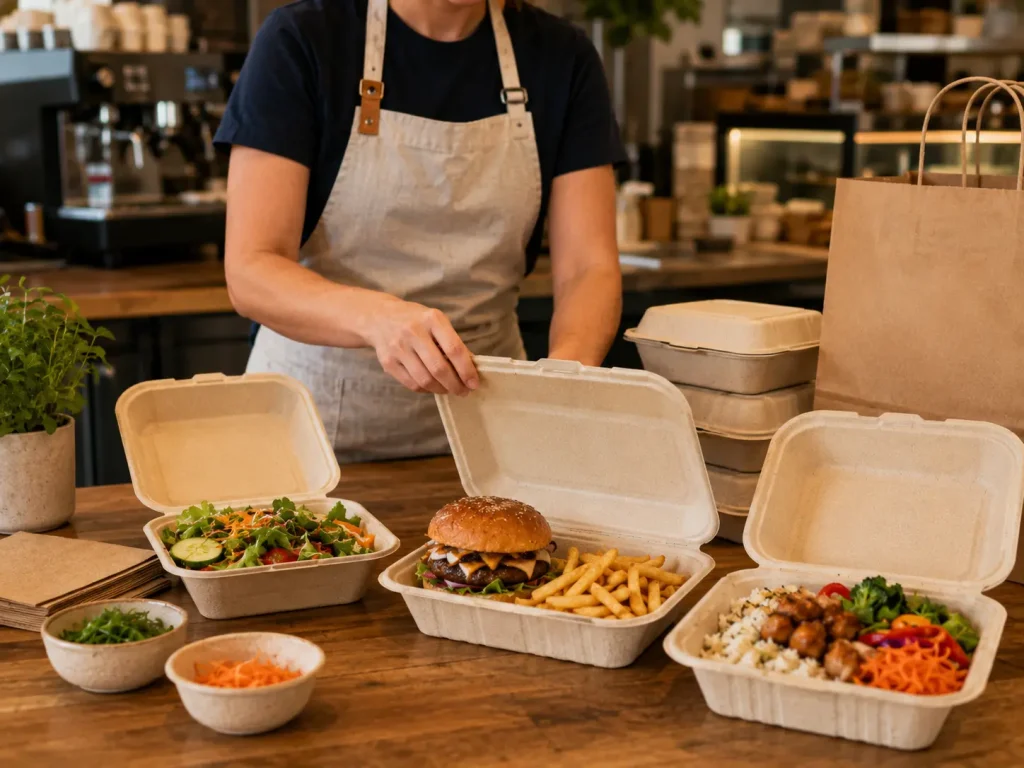
Unlike traditional packaging options that rely mainly on synthetic materials, molded pulp packaging uses renewable fiber resources to create strong three-dimensional structures. These containers are designed to support different food applications including burgers, sandwiches, rice meals, fried foods, and other takeaway products.
Modern foodservice buyers usually evaluate packaging based on several important factors:
- Food protection performance
- Material sustainability
- Structural strength
- Supply reliability
- Customization capability
- Compliance with food packaging requirements
The purpose of sustainable packaging is not only replacing existing materials. The real goal is creating a better balance between environmental responsibility, operational efficiency, and customer expectations.
For companies searching for Molded Pulp Clamshell Containers for Takeaway Food, selecting the correct supplier and product design is an important business decision that can influence both daily operations and long-term brand value.、
What Are Molded Pulp Clamshells?
Understanding Molded Pulp Packaging Technology
Molded pulp is a fiber-based packaging technology that transforms natural fibers into three-dimensional packaging products through specialized molding processes.
The production concept is:
| Production Stage | Main Process |
|---|---|
| Raw Material Collection | Selection of recycled or renewable fiber sources |
| Pulp Preparation | Fiber cleaning and processing |
| Molding Process | Creating customized container structures |
| Drying and Pressing | Improving strength and shape stability |
| Quality Inspection | Ensuring product consistency |
The molded structure provides advantages compared with simple flat paper packaging because the product shape itself contributes to strength and functionality.
For takeaway applications, this means better support for food products during storage, transportation, and customer handling.
Businesses looking for molded fiber clamshell containers often choose this technology because it provides a combination of sustainability, practical performance, and flexible design possibilities.
Materials Used in Molded Pulp Clamshell Containers
Different fiber materials can be used to manufacture molded pulp food packaging. The best material choice depends on application requirements, sustainability goals, and market positioning.
Recycled Paper Fiber
Recycled paper fiber is commonly used because it provides stable supply availability and cost efficiency for large-scale packaging production.
Advantages include:
- Reliable material availability
- Suitable for high-volume applications
- Efficient resource utilization
- Commercial production compatibility
Sugarcane Bagasse Fiber
Sugarcane bagasse is the fibrous residue remaining after sugarcane juice extraction. Instead of being treated only as agricultural waste, it can be processed into useful packaging materials.
Bagasse fiber is popular for food packaging because it supports renewable material strategies while maintaining practical strength.
This material is widely used for products such as:
- Bagasse clamshell containers
- Food trays
- Disposable plates
- Takeaway boxes
Bamboo and Other Plant Fibers
Some manufacturers also explore bamboo and mixed plant fibers to create packaging solutions with different performance characteristics.
| Material | Source | Main Advantage |
|---|---|---|
| Recycled Paper Fiber | Recovered paper resources | Stable supply and cost efficiency |
| Sugarcane Bagasse Fiber | Agricultural residue | Renewable and foodservice suitable |
| Bamboo Fiber | Renewable plant resource | Premium sustainability positioning |
| Mixed Plant Fiber | Multiple natural sources | Flexible performance adjustment |
Selecting the correct material requires understanding the final application. A quick-service restaurant, premium food brand, and food distributor may have different packaging priorities.
For businesses evaluating long-term packaging partners, supplier experience is an important factor. Reviewing a company’s manufacturing background through a professional sustainable packaging manufacturer helps buyers understand production capability, quality management, and industry experience.
Why Molded Pulp Clamshells Are Popular in Modern Foodservice
Supporting Sustainable Food Packaging Goals
Sustainability has become a major consideration in food packaging purchasing decisions. Consumers increasingly notice how brands handle takeaway packaging, especially in restaurants, delivery services, and quick-service food businesses.
Businesses are adopting sustainable food containers because packaging now influences:
- Customer perception
- Brand reputation
- Corporate sustainability goals
- Market competitiveness
However, sustainability alone is not enough. Food businesses still require packaging that performs under real operating conditions.
| Business Requirement | Molded Pulp Packaging Advantage |
|---|---|
| Sustainability Positioning | Supports renewable material strategies |
| Food Protection | Provides structured packaging design |
| Transportation | Designed for takeaway handling |
| Brand Value | Improves sustainable packaging image |
The future of takeaway packaging is not simply about using fewer materials. It is about selecting smarter packaging systems that meet both environmental and commercial requirements.
Key Performance Features of Molded Pulp Clamshells for Takeaway Food
Structural Strength and Food Protection Performance
For takeaway businesses, packaging strength is one of the most important purchasing factors. A food container must protect meals during preparation, stacking, transportation, and customer handling.
A weak container can create several operational problems:
- Food deformation during delivery
- Customer complaints caused by damaged packaging
- Difficulty stacking multiple orders
- Reduced brand presentation quality
Molded Pulp Clamshells are designed with a three-dimensional fiber structure that improves rigidity compared with simple flat packaging formats.
The molded shape allows manufacturers to optimize:
- Wall thickness
- Corner reinforcement
- Closing mechanism
- Internal food support structure
| Performance Factor | Typical Consideration | Buyer Benefit |
|---|---|---|
| Compression Resistance | Designed to maintain shape under stacking pressure | Safer transportation |
| Structural Rigidity | Controlled through fiber density and molding design | Better food presentation |
| Stackability | Optimized container geometry | Efficient storage and logistics |
| Lightweight Structure | Reduced material usage | Lower transportation burden |
For restaurants and delivery brands, packaging performance directly affects customer experience. The right container should protect the food without creating unnecessary material costs.
If your business handles frequent takeaway orders → choose molded fiber packaging with tested structural performance rather than selecting only based on appearance or price.
Heat Resistance and Food Compatibility
Takeaway food businesses serve a wide range of meals, from hot burgers and fried foods to rice dishes and salads. Packaging must match different food conditions.
Common applications include:
- Burgers and sandwiches
- Fried chicken and snacks
- Rice and noodle meals
- Salads and cold dishes
- Combination meals
Professional buyers should evaluate whether packaging can maintain performance under actual food conditions.
| Food Application | Main Packaging Requirement | Recommended Consideration |
|---|---|---|
| Burgers | Shape protection and grease resistance | Rigid clamshell structure |
| Fried Food | Oil management and ventilation | Suitable fiber design |
| Rice Meals | Moisture and heat handling | Food grade molded pulp containers |
| Cold Food | Condensation management | Moisture-resistant structure |
Businesses searching for food grade molded pulp containers should confirm material specifications and product testing before purchasing large quantities.
Moisture and Oil Resistance Considerations
One of the biggest challenges in takeaway packaging is dealing with moisture, sauces, and oils.
Foods such as fried chicken, burgers, and meals with sauces can quickly expose packaging to demanding conditions.
Important design considerations include:
- Fiber density
- Surface treatment options
- Container structure
- Food application requirements
| Food Challenge | Potential Packaging Issue | Solution Direction |
|---|---|---|
| Hot Sauces | Moisture absorption | Improved material design |
| Oily Food | Grease penetration | Suitable barrier performance |
| Long Delivery Time | Loss of structure | Optimized container strength |
| Condensation | Reduced rigidity | Application-based testing |
A common purchasing mistake is assuming all molded pulp products perform the same. Product quality depends heavily on manufacturing technology, material selection, and supplier experience.
Molded Pulp Clamshells Compared With Traditional Takeaway Packaging
Molded Pulp Clamshells vs Plastic Food Containers
Plastic containers have traditionally been widely used in takeaway food because of their durability and availability. However, businesses today are considering more factors including sustainability goals, customer expectations, and environmental strategies.
The right choice depends on business requirements rather than a simple material comparison.
| Comparison Factor | Molded Pulp Clamshells | Plastic Containers |
|---|---|---|
| Material Source | Plant-based or recycled fiber options | Synthetic material options |
| Sustainability Position | Supports renewable packaging strategies | Depends on material type and recycling system |
| Brand Image | Strong sustainable positioning | Traditional packaging perception |
| Customization | Flexible molded designs | Depends on manufacturing method |
| Food Applications | Suitable for many takeaway uses | Suitable for various food types |
For brands focusing on sustainability, molded pulp solutions can help communicate environmental responsibility while maintaining practical packaging performance.
However, companies should always evaluate local recycling systems, food requirements, and market expectations before making final decisions.
Molded Pulp Clamshells vs Paperboard Food Boxes
Paperboard boxes are another common takeaway packaging option. They are lightweight and widely available, but their performance depends heavily on folding structure and material quality.
| Feature | Molded Pulp Clamshells | Paperboard Boxes |
|---|---|---|
| Structure | Three-dimensional molded design | Folded flat sheet design |
| Rigidity | Enhanced by molded structure | Depends on board thickness |
| Customization | High design flexibility | Moderate flexibility |
| Food Protection | Designed around product shape | Depends on folding design |
For businesses requiring stronger protection during delivery, molded designs often provide advantages because the container structure is developed specifically for food transportation.
Applications of Molded Pulp Clamshell Containers in Different Industries
Restaurants and Takeaway Food Businesses
Restaurants are one of the largest users of sustainable takeaway packaging. Their main goal is delivering food safely while maintaining customer satisfaction.
Typical applications include:
- Burger packaging
- Sandwich packaging
- Fast casual meals
- Ready-to-eat food
A reliable package helps restaurants reduce operational issues while creating a more professional customer experience.
If your restaurant wants to improve takeaway packaging quality and sustainability positioning → choose eco friendly takeaway packaging designed for commercial foodservice.
Food Delivery Companies and Cloud Kitchens
The growth of food delivery has increased demand for packaging that can handle longer transportation times.
Delivery-focused businesses require:
- Stable container structure
- Protection against movement
- Good food presentation after delivery
- Reliable supply availability
For these businesses, packaging is part of the complete customer experience.
Catering Companies and Foodservice Distributors
Large-scale buyers usually focus on supply stability, consistent quality, and cost control.
| Buyer Type | Main Purchasing Priority |
|---|---|
| Catering Companies | Large-volume availability |
| Distributors | Stable factory supply |
| Restaurant Groups | Consistent product quality |
| Food Brands | Customization capability |
Businesses looking for reliable product categories can evaluate professional Molded Pulp Clamshells solutions designed for different takeaway applications.
How to Choose the Right Molded Pulp Clamshells for Your Business
Start With Your Food Application Requirements
The first step when selecting sustainable takeaway packaging is understanding the actual food application. Many purchasing problems happen because businesses choose containers based only on appearance or price without considering how the packaging will be used.
A professional evaluation should include:
- Food type
- Serving temperature
- Transportation distance
- Storage conditions
- Customer usage environment
| Application Scenario | Main Packaging Requirement | Recommended Direction |
|---|---|---|
| Burger Restaurants | Grease resistance and structure | Rigid molded fiber clamshells |
| Food Delivery Brands | Transportation protection | Strong closing structure |
| Catering Services | Bulk supply and consistency | Stable factory production |
| Premium Food Brands | Brand presentation | Custom molded designs |
If your business handles high-volume takeaway orders → choose packaging based on real operating conditions rather than selecting only the lowest-cost option.
Common Mistakes When Purchasing Molded Pulp Clamshells
Mistake 1: Selecting Packaging Only Based on Price
Price is an important factor in purchasing decisions, but it should not be the only consideration. Low-cost packaging may create hidden costs if performance does not meet expectations.
Potential consequences include:
- Damaged food during delivery
- Higher customer complaint rates
- Increased replacement costs
- Negative brand perception
- Operational inconvenience
Professional buyers evaluate the total value of packaging, including reliability, consistency, and supplier support.
| Purchasing Approach | Possible Result |
|---|---|
| Lowest price only | Higher quality uncertainty |
| Performance evaluation | Better long-term reliability |
| Supplier capability review | More stable cooperation |
Mistake 2: Ignoring Real Food Testing
Different foods create different packaging challenges. A container that works well for dry products may not perform equally for oily or sauce-based meals.
Before large-scale purchasing, businesses should test:
- Hot food performance
- Oil resistance
- Leak prevention
- Stacking stability
- Delivery conditions
For example, a fried chicken restaurant and a salad delivery company may require completely different packaging characteristics.
If your menu includes oily or moisture-heavy foods → choose molded pulp food containers that have been tested for your specific application.
Mistake 3: Choosing Suppliers Without Manufacturing Capability
A supplier’s manufacturing capability directly affects product consistency, delivery reliability, and customization options.
Working with suppliers without strong factory control may lead to:
- Uneven product quality
- Unstable dimensions
- Production delays
- Limited customization support
For long-term business relationships, buyers should evaluate whether a supplier has professional production systems rather than simply acting as a trading company.
How to Select a Reliable Molded Pulp Clamshell Manufacturer
Evaluate Factory Production Capability
A professional molded pulp clamshell manufacturer should provide complete production capability from material preparation to finished product inspection.
Important evaluation points include:
| Factory Capability | Why It Matters |
|---|---|
| Production Capacity | Supports stable supply for large orders |
| Molding Equipment | Improves product consistency |
| Quality Control System | Reduces product variation |
| Material Management | Ensures reliable raw materials |
| Product Development | Supports customized packaging |
Businesses searching for a molded pulp clamshell factory should review production experience, equipment capability, and quality management before selecting a supplier.
Check Quality Control Standards
Quality control is essential because food packaging directly affects customer safety and brand reputation.
| Inspection Process | Purpose |
|---|---|
| Raw Material Inspection | Ensures fiber consistency |
| Weight Testing | Maintains product standardization |
| Dimension Testing | Ensures correct food fit |
| Strength Testing | Evaluates transportation performance |
| Appearance Inspection | Maintains professional quality |
Reliable suppliers should be able to explain their quality process clearly and provide appropriate product information for commercial buyers.
Consider OEM and Custom Packaging Capability
Many food brands today require packaging that matches their unique business requirements.
Customization options may include:
- Different container sizes
- Multiple compartment designs
- Custom shapes
- Brand packaging solutions
- Private label programs
For businesses requiring customized solutions, working with a custom molded pulp containers manufacturer can provide greater flexibility.
A supplier with strong product development ability can help optimize packaging design according to food type, transportation requirements, and brand positioning.
Food Safety Requirements and Compliance Considerations
Why Food Packaging Compliance Matters
Takeaway food packaging directly contacts products consumed by customers. Therefore, businesses must consider food safety requirements when selecting suppliers.
Compliance evaluation should include:
- Material safety documentation
- Food contact testing
- Market-specific requirements
- Supplier quality management
Choosing packaging without proper verification can create risks including import problems, customer concerns, and brand reputation damage.
Common International Standards for Food Packaging
| Standard / Requirement | Market Purpose | Buyer Action |
|---|---|---|
| FDA Food Contact Requirements | United States food packaging safety | Confirm supplier documentation |
| EU Food Contact Regulations | European market requirements | Verify compliance information |
| EN 13432 | Compostability evaluation | Check applicable certifications |
| ASTM Related Standards | Testing guidance | Match requirements with product claims |
Businesses should avoid making sustainability claims without supporting documentation. Accurate information helps maintain customer trust and protects brand value.
Companies looking for professional packaging cooperation can evaluate production capability, customization support, and supply solutions through an experienced molded pulp packaging supplier.
The Future Trends of Molded Pulp Takeaway Food Packaging
Growing Demand for Plant Fiber Packaging Solutions
The global foodservice industry is moving toward packaging solutions that provide both functional performance and improved environmental responsibility. Restaurants, food brands, and distributors are increasingly evaluating packaging choices as part of their overall sustainability strategy.
The demand growth of molded fiber packaging is influenced by several long-term trends:
- Increasing restrictions on unnecessary plastic packaging
- Growing consumer awareness of sustainable products
- Corporate ESG commitments
- Expansion of takeaway and food delivery services
- Need for more transparent supply chains
For businesses, sustainable packaging is becoming more than a marketing advantage. It is becoming part of operational planning and customer relationship management.
| Industry Trend | Impact on Food Packaging Buyers |
|---|---|
| Plastic Reduction Policies | Increase demand for fiber-based alternatives |
| Consumer Sustainability Expectations | Encourage brands to improve packaging choices |
| Food Delivery Growth | Create demand for stronger takeaway solutions |
| Brand Differentiation | Make packaging part of customer experience |
Future Improvements in Molded Pulp Technology
The next generation of molded pulp packaging will focus on improving performance, customization, and production efficiency.
Future development directions include:
- Improved fiber processing technology
- Better moisture barrier solutions
- More customized packaging structures
- Higher production efficiency
- Advanced quality control systems
| Technology Development | Expected Business Benefit |
|---|---|
| Advanced Molding Design | More application-specific packaging |
| Material Optimization | Improved strength and performance |
| Automation Production | More stable quality and capacity |
| Custom Engineering | Better brand differentiation |
Businesses that choose suppliers with continuous improvement capability will be better prepared for future packaging requirements.
Final Recommendation: Choosing Molded Pulp Clamshells for Sustainable Food Businesses
The decision to select takeaway packaging should consider more than material cost. Modern food businesses need packaging solutions that support daily operations, customer satisfaction, and long-term sustainability goals.
Molded Pulp Clamshells provide a practical option because they combine:
- Renewable fiber-based materials
- Reliable takeaway food protection
- Flexible product designs
- Commercial production capability
- Sustainable brand value
The best purchasing process should follow a structured approach:
| Decision Stage | Recommended Buyer Action |
|---|---|
| Step 1: Define Application | Identify food type, temperature, and transportation requirements |
| Step 2: Evaluate Packaging Performance | Check strength, moisture resistance, and usability |
| Step 3: Confirm Compliance | Review food safety documents and certifications |
| Step 4: Select Supplier | Choose manufacturers with stable production capability |
For restaurants, food brands, and distributors, the right packaging partner can help reduce operational risks while creating stronger sustainability positioning.
Businesses interested in developing customized takeaway packaging solutions can communicate product requirements with a professional molded pulp packaging supplier to evaluate suitable designs, production capability, and supply options.
Frequently Asked Questions About Molded Pulp Clamshells
1. What are molded pulp clamshells made from?
Molded pulp clamshells are made from processed fiber materials such as recycled paper fiber, sugarcane bagasse fiber, bamboo fiber, or other plant-based materials. The fibers are converted into pulp and molded into three-dimensional packaging structures designed for takeaway food applications. The final performance depends on material selection, manufacturing technology, and product design.
2. Are molded pulp clamshell containers compostable?
Many molded pulp containers are designed with renewable fiber materials and may support compostability claims depending on their material composition, certifications, and local waste management conditions. Businesses should verify specific supplier documentation before making environmental claims in their markets.
3. Can molded pulp clamshells hold hot and oily food?
Yes, properly designed molded pulp clamshells can be used for many takeaway applications including burgers, fried foods, rice meals, and other prepared dishes. However, businesses should test packaging with their actual food products because different meals create different requirements for heat, moisture, and oil resistance.
4. Why are restaurants choosing molded fiber packaging?
Restaurants choose molded fiber packaging because it provides a balance between sustainability, functionality, and customer expectations. These containers can help businesses improve takeaway presentation, support environmental goals, and provide reliable protection during food transportation.
5. How should buyers choose a reliable molded pulp packaging supplier?
Buyers should evaluate suppliers based on manufacturing capability, quality control systems, food safety documentation, customization ability, production capacity, and delivery reliability. Choosing a supplier with strong factory experience helps reduce quality risks and supports long-term packaging supply stability.
References
- Packaging and the Circular Economy: Opportunities and Challenges — Ellen MacArthur Foundation
- Sustainable Packaging Coalition: Definition and Principles of Sustainable Packaging — GreenBlue Organization
- Food Packaging: Principles and Practice — Gordon L. Robertson, CRC Press
- EN 13432 Packaging Requirements for Compostability and Recoverability — European Committee for Standardization
- ASTM Standards for Compostable and Sustainable Packaging Materials — ASTM International
- Single-Use Plastics and Sustainable Alternatives Report — United Nations Environment Programme (UNEP)
- The Future of Packaging Materials and Sustainable Solutions — Smithers Packaging Research
- Sustainability in Packaging: Consumer Expectations and Industry Trends — McKinsey & Company
Understanding the Complete Value of Molded Pulp Clamshells
What are Molded Pulp Clamshells?
Molded Pulp Clamshells are fiber-based takeaway food containers created through advanced molding technology. They provide restaurants, food brands, and distributors with packaging that combines food protection, sustainability, and practical commercial performance.
Why are businesses choosing molded pulp packaging?
Businesses are adopting molded pulp solutions because packaging has become part of customer experience and sustainability strategy. Renewable fiber materials help companies respond to changing market expectations while maintaining operational reliability.
How should buyers select the right packaging solution?
The correct choice depends on food application, transportation requirements, material performance, and supplier capability. A burger restaurant, delivery company, and distributor may require different packaging designs.
What options should companies consider?
Buyers should evaluate different fiber materials, container structures, customization options, and production capabilities. The best solution is the one that matches business requirements rather than simply the cheapest option.
What risks should buyers avoid?
Companies should avoid purchasing without testing, ignoring food compatibility, or selecting suppliers without manufacturing capability. These mistakes can create quality problems, delivery risks, and unnecessary costs.
What makes a reliable supplier valuable?
A professional supplier provides consistent production, quality management, technical support, and customization capability. Strong supplier relationships help businesses build a more stable and sustainable packaging supply chain.
For restaurants, foodservice companies, and packaging distributors, molded pulp clamshell solutions represent more than containers. They are a strategic investment in food protection, customer satisfaction, and sustainable business development.