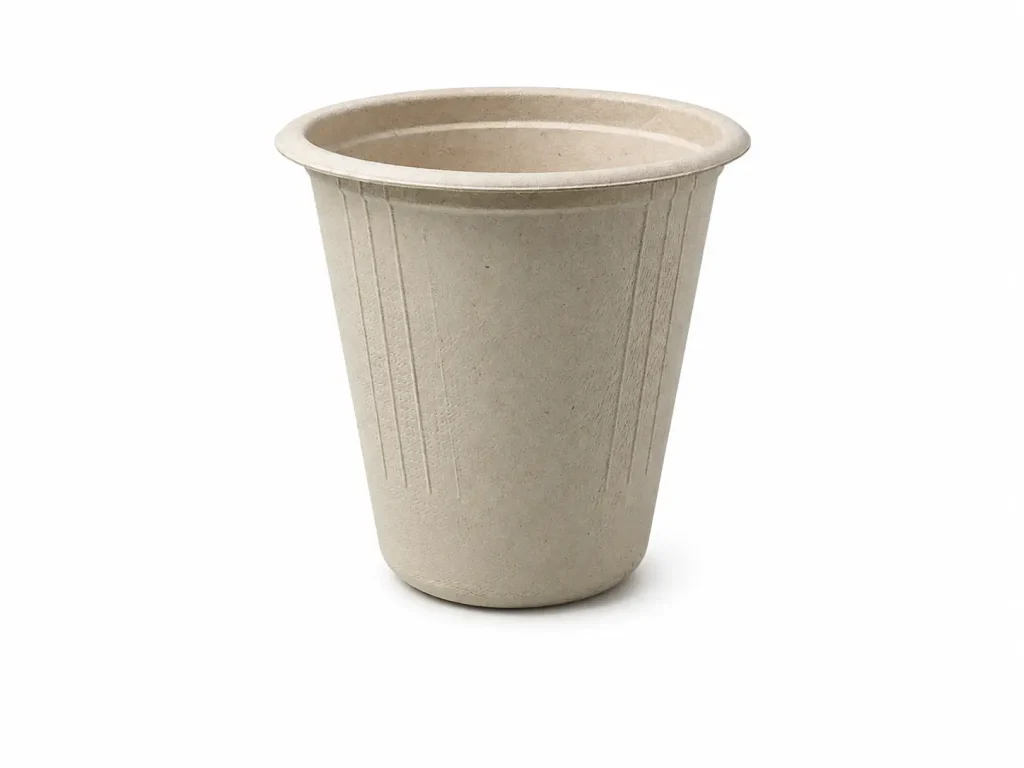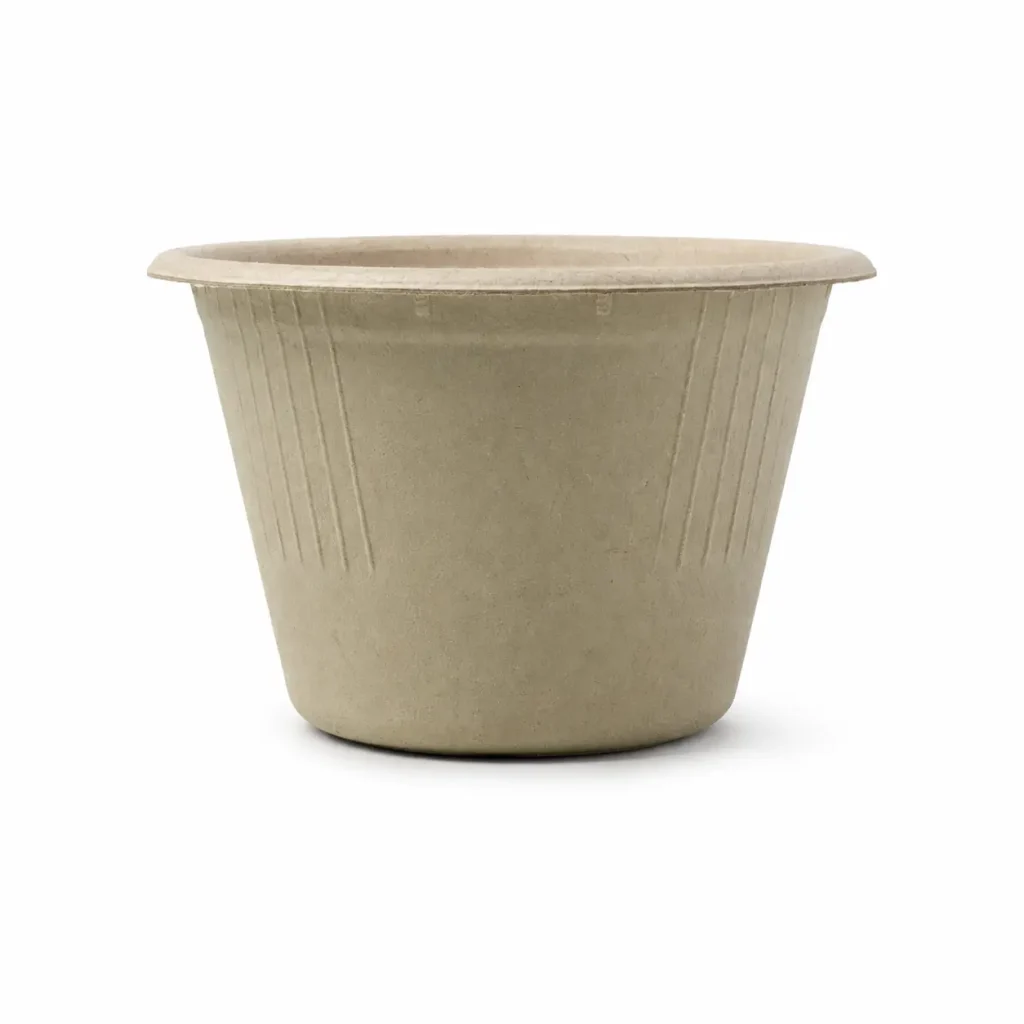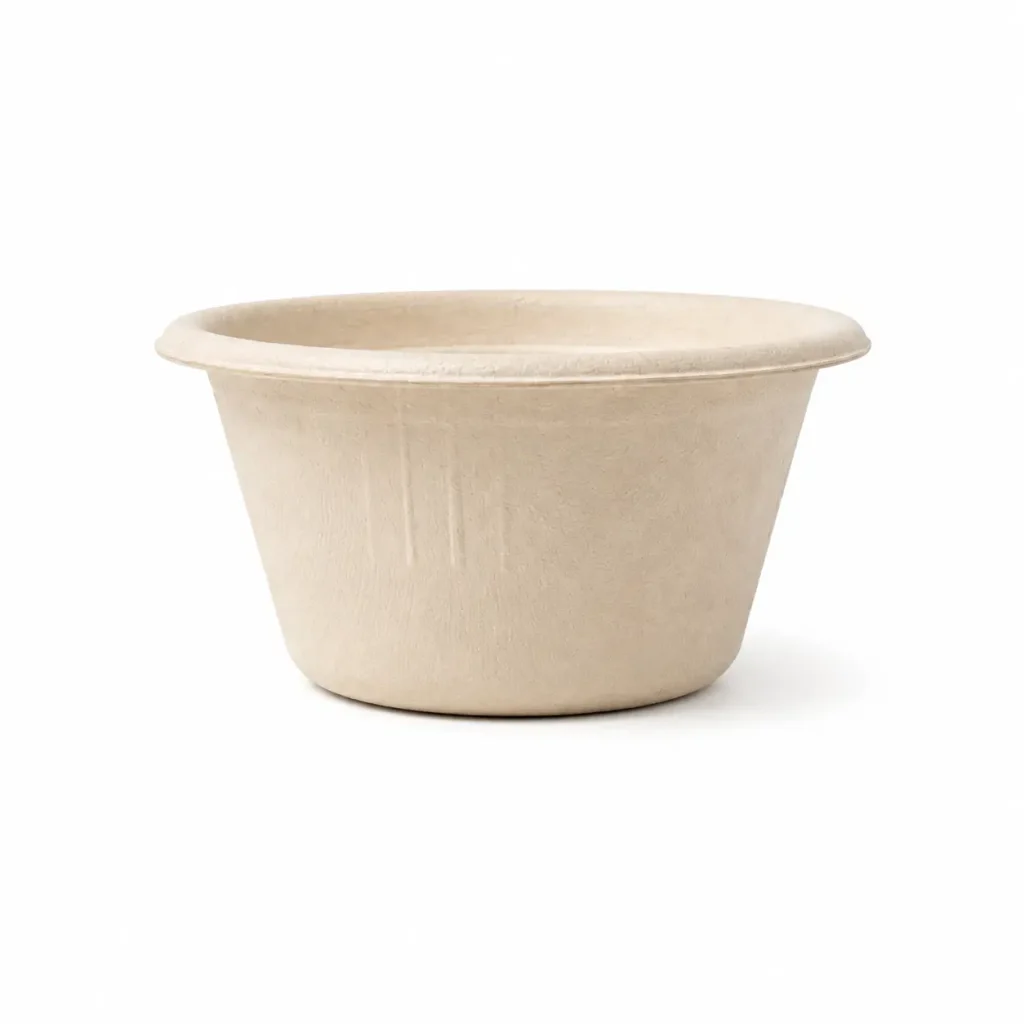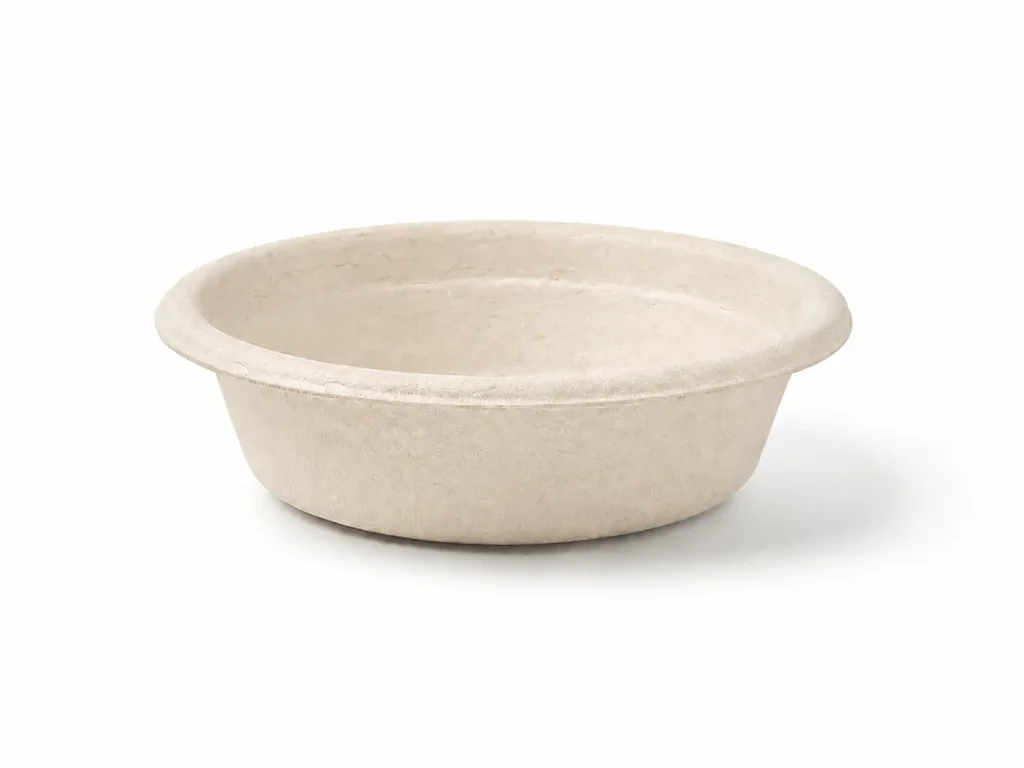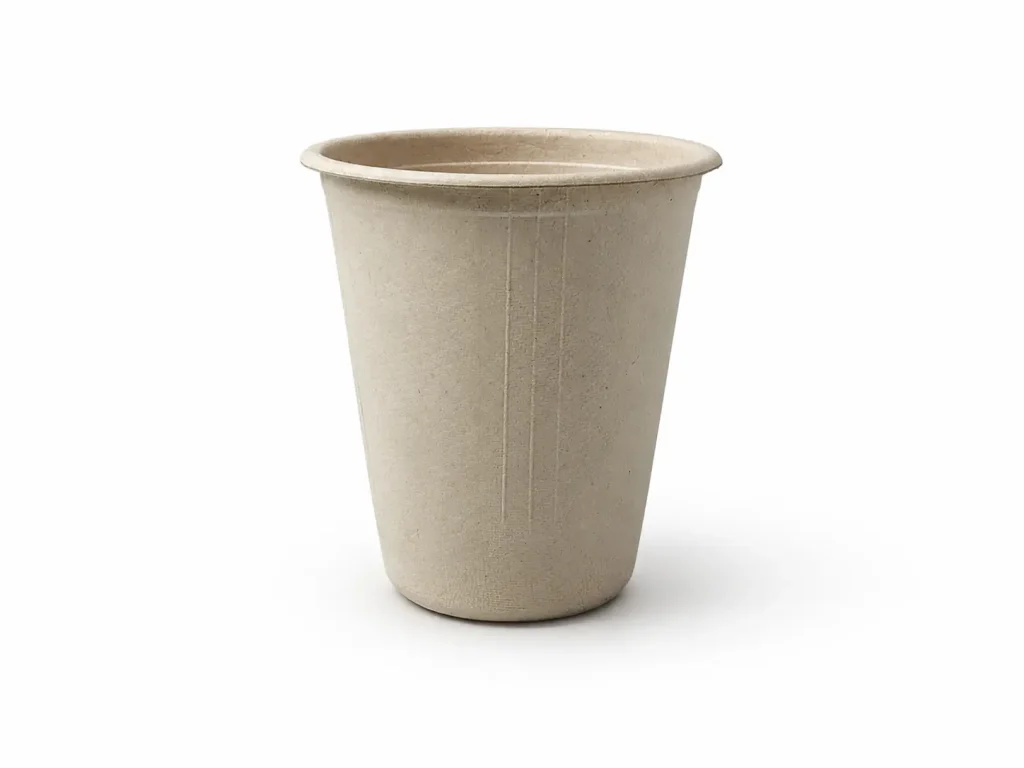

Designed for foodservice programs that require practical plant-fiber packaging, KGP’s cup range covers coffee, tea, cold drinks, sauces, tastings, desserts, and portion-controlled servings. Buyers can select from multiple capacities, natural or white finishes, and compatible closure options to suit cafés, takeaway chains, catering operations, and private-label distribution. OEM specification support, scalable production, and export-ready packing help importers and distributors simplify sourcing while maintaining consistent product quality across repeat orders.
REQUEST A QUOTE
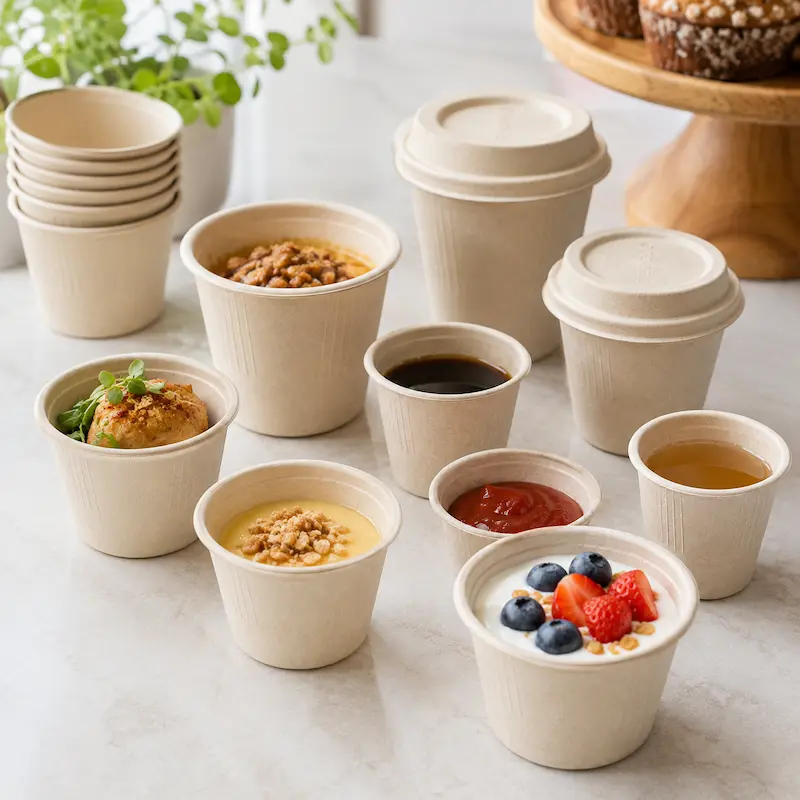
The 4 oz and 6.5 oz molded fiber cups are suitable for yogurt, desserts, bakery sides, tasting portions, food samples, and other small servings. Their compact formats help foodservice businesses manage portion sizes while providing a practical alternative to full-size beverage cups.
| Nominal Cup Size | Recommended Applications | Choose This Size When | Typical Buyers |
|---|---|---|---|
| 12 oz Molded Fiber Cup | Coffee, tea, cold beverages, and regular takeaway drinks | You need a full-size cup for standard beverage menu servings | Coffee chains, beverage brands, restaurants, and foodservice distributors |
| 8 oz Molded Fiber Cup | Coffee, tea, juice, and smaller takeaway beverages | You need a balanced everyday serving size with efficient storage and handling | Cafés, restaurants, catering suppliers, and beverage retailers |
| 6.5 oz Molded Fiber Cup | Small beverages, tasting drinks, yogurt, and desserts | You need controlled portions without moving down to a sauce-cup format | Bakeries, dessert brands, event caterers, and convenience-food suppliers |
| 4 oz Molded Fiber Cup | Desserts, snacks, food samples, and side portions | You need a versatile small format for tasting, sampling, or portion service | Catering companies, meal-kit brands, bakeries, and food distributors |
| 2 oz Molded Fiber Cup | Sauces, dips, salad dressings, and condiments | You need accurate single-serve portions while reducing overfilling and food waste | Quick-service restaurants, sauce producers, takeaway brands, and caterers |
| 1 oz Molded Fiber Cup | Condiments, small samples, and tasting portions | You need the smallest format for low-volume, single-serve applications | Restaurant chains, sampling programs, takeaway suppliers, and distributors |
Selection Note: Nominal capacity, recommended fill volume, rim dimensions, and lid compatibility may vary by product design. Buyers should confirm actual samples and specifications before placing bulk orders.
KGP molded fiber cups support both regular beverage service and controlled-portion foodservice programs. Larger formats are suited to coffee, tea, and cold drinks, while smaller cup sizes can be used for desserts, tastings, sauces, dips, and condiments. Buyers should match the cup capacity, serving temperature, rim dimensions, and available closure option to the intended application before confirming a bulk order.
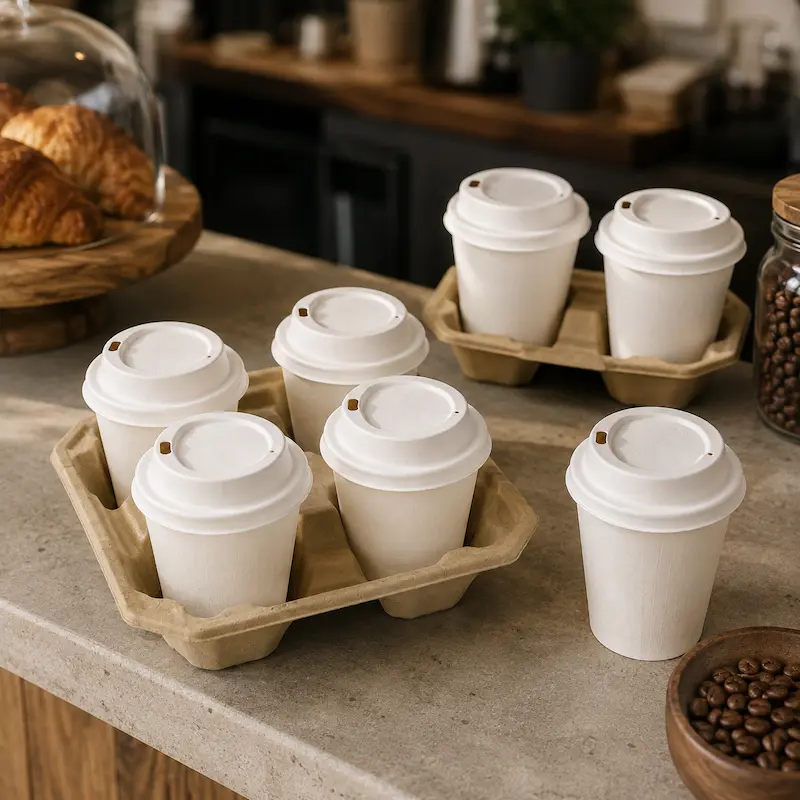
The 8 oz and 12 oz molded fiber cup formats are practical choices for coffee, tea, juice, and other standard beverage servings. Cafés and beverage operators should confirm fill volume, temperature limits, and lid compatibility for their specific menu.
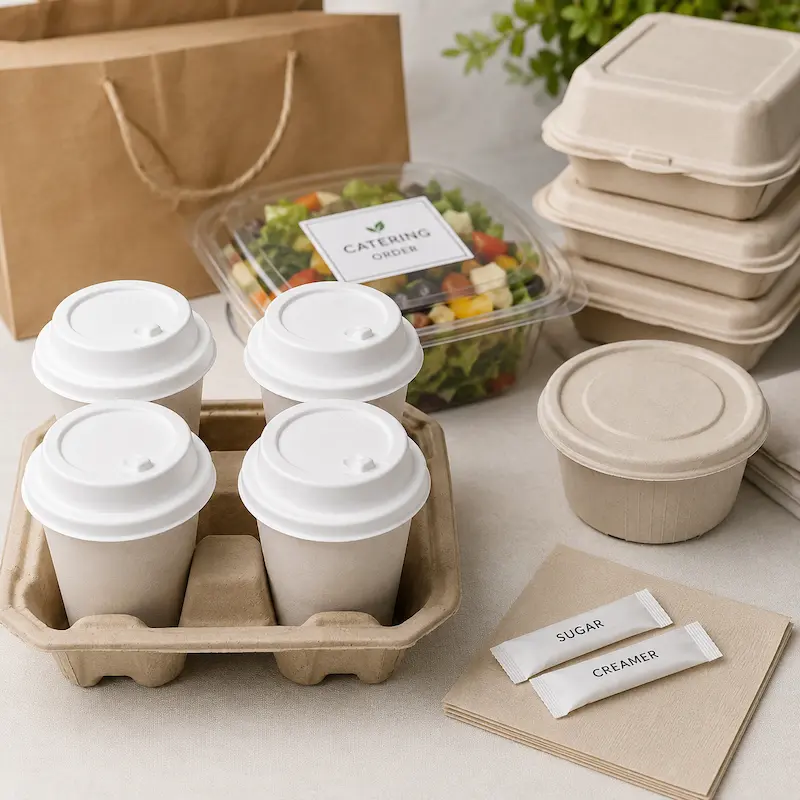
Stackable molded fiber cups can support efficient counter service, takeaway orders, and high-volume quick-service operations. Where cups will be transported, buyers should validate closure fit, handling stability, and packing performance with physical samples.
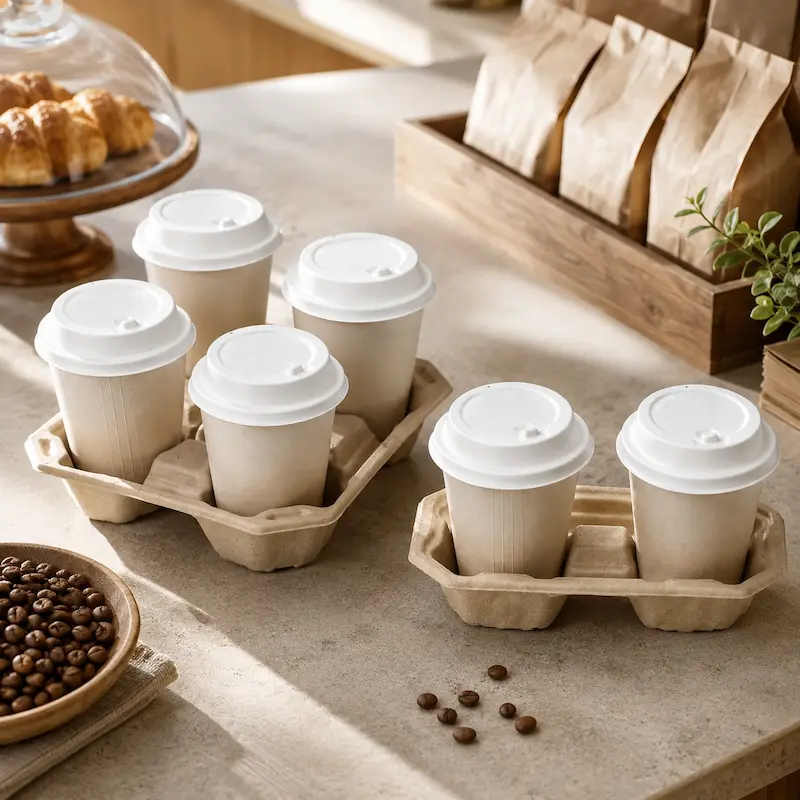
The 4 oz and 6.5 oz formats can be considered for yogurt, desserts, bakery sides, tasting portions, food samples, and other controlled servings. These sizes help businesses provide a defined portion without using a full-size beverage cup.
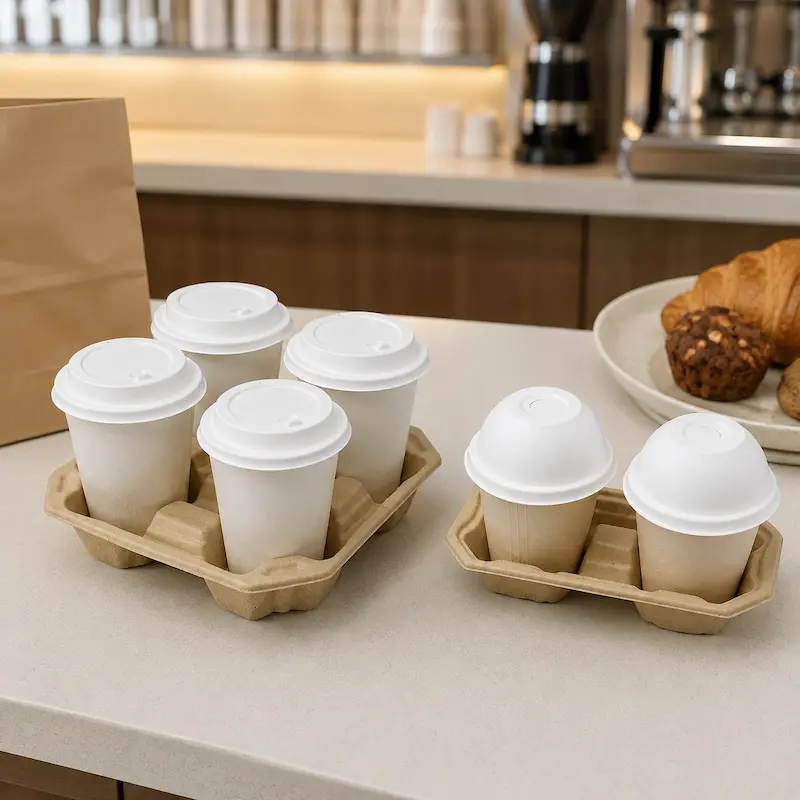
Smaller 1 oz and 2 oz cups are suitable for dips, dressings, condiments, and sample portions, while larger formats can support catering and delivery programs. The correct size should be selected according to actual fill volume rather than nominal capacity alone.
Nominal capacity alone is not enough to approve a molded fiber cup for commercial use. Buyers should confirm usable fill volume, cup dimensions, rim profile, lid option, serving conditions, carton quantity, and destination-market requirements as one complete purchasing specification.
A lid with the correct nominal diameter may still fit poorly when the rim profile, forming tolerance, or closure structure is different. Existing lids should be checked against physical samples or detailed drawings, while new cup-and-lid sets should be tested together before mass production.
Evaluate actual fill volume, cup rigidity, nesting, handling, rim consistency, and closure performance under the intended serving temperature and transport conditions before approving a bulk order.
Natural or white finishes, private-label packing, carton markings, case quantities, pallet requirements, and other commercial details can be discussed according to the selected product and order volume.
Approved samples, dimensional drawings, material details, and carton specifications help reduce variation between initial production and future repeat orders.
If you already use an existing lid, begin with the exact rim dimensions and provide a physical sample where possible. If you need a new cup-and-lid set, select the required serving volume first and then validate the matched combination under real operating conditions.
Documentation can vary by cup size, material formulation, manufacturing site, intended use, and destination market. Available files should therefore be confirmed against the exact product specification rather than applying one general certificate list to the entire range.
Technical information should identify the exact cup or lid being purchased so buyers can compare usable volume, storage requirements, and logistics data accurately.
FDA- or LFGB-related documentation may be reviewed where applicable, depending on the selected product, intended food contact, test conditions, and destination market.
EN 13432, BPI, ABA, or other compostability-related evidence should only be used when the exact material or finished product falls within the valid certification or test scope.
Material declarations and restricted-substance information can be reviewed according to the buyer’s destination country, retailer requirements, and intended application.
Send the selected cup size, lid requirement, destination country, intended application, and requested compliance standard. KGP can then confirm which current certificates, declarations, specifications, and test reports are applicable to that product.
Extend your molded fiber cup program with compatible lids, drink carriers, food containers, trays, tableware, egg packaging, and custom molded products. Browse the categories below to identify complementary formats, simplify supplier coordination, and consolidate multiple foodservice packaging items into one export purchasing plan.
Compostable cups and lids designed for hot and cold beverages, coffee shops, takeaway services, and beverage brands requiring sustainable packaging solutions.
Sustainable cup carriers designed for coffee shops, restaurants, delivery services, and foodservice operations with stable beverage handling performance.
Plant-based fiber plates offering a sustainable alternative for restaurants, catering services, and disposable food packaging applications.
Eco-friendly hinged containers designed for takeaway meals, bakery products, and food delivery packaging requirements.
Durable molded fiber containers for restaurants, meal delivery, catering, and ready-to-eat food packaging applications.
Plant-based forks, knives, and spoons designed for sustainable dining solutions and modern foodservice packaging needs.
Protective molded fiber packaging designed for safe egg transportation and sustainable retail packaging solutions.
OEM packaging solutions with customized designs, structures, and sizes to meet different industry requirements and brand applications.
For commercial molded fiber cup programs, the main sourcing risk is not simply choosing a nominal capacity. Cup dimensions, rim profile, lid fit, appearance standards, packing quantities, and acceptance criteria should all be confirmed before volume production. KGP supports buyers through sample approval, specification control, production checks, and export packing planning so bulk and repeat orders can follow the same agreed requirements.
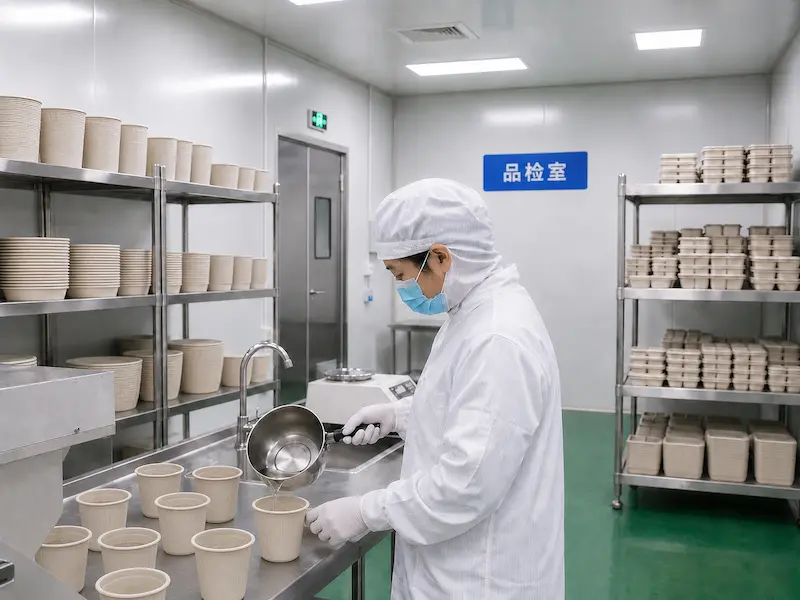
Before bulk production, buyers should confirm actual capacity, key dimensions, rim profile, compatible lid, color or finish, product weight range, and carton configuration. Approved samples and technical specifications provide a clear reference for production and order acceptance.
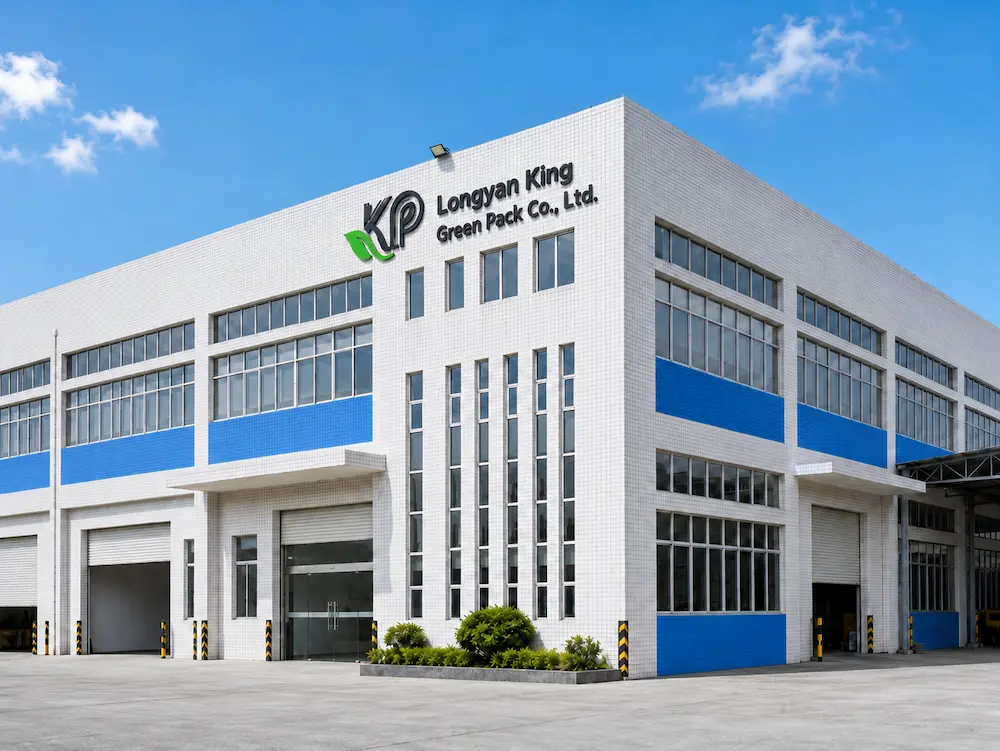
Production checks can cover dimensional consistency, rim condition, nesting performance, surface appearance, visible defects, cleanliness, and packing quantities. Critical inspection criteria should be agreed before production begins rather than being discussed only after the goods are completed.
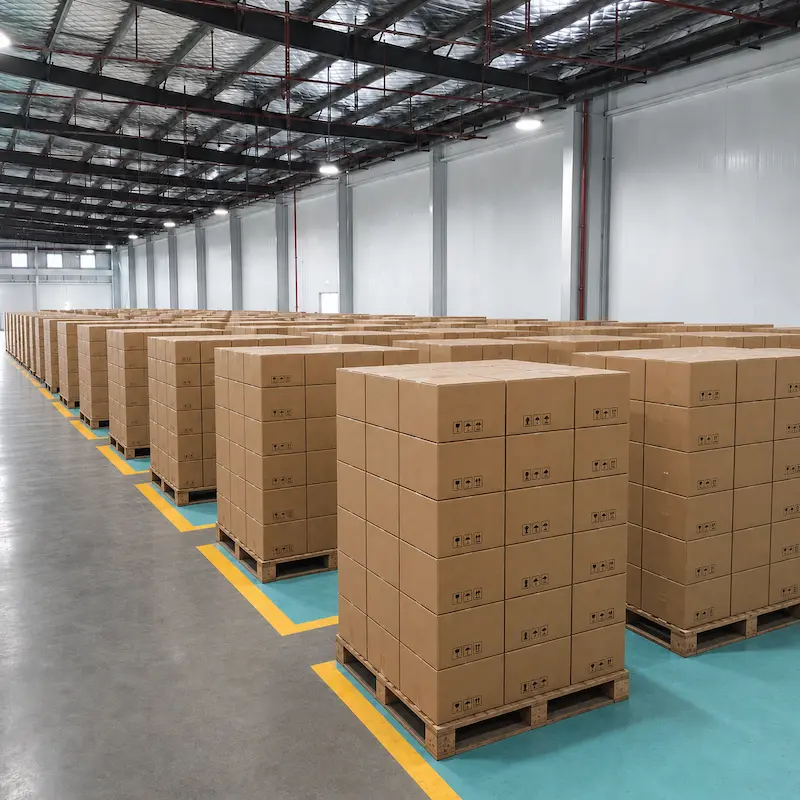
Carton quantities, shipping marks, pallet requirements, loading arrangements, and production schedules can be aligned with the buyer’s logistics plan. Keeping approved samples and specifications on record helps reduce avoidable changes when repeat orders are placed.
If the cups will be used with an existing lid, provide the physical lid sample or complete rim drawing before production approval. If a new cup-and-lid combination is required, test the matched set under the intended filling temperature, handling, stacking, and transport conditions before confirming the bulk order.
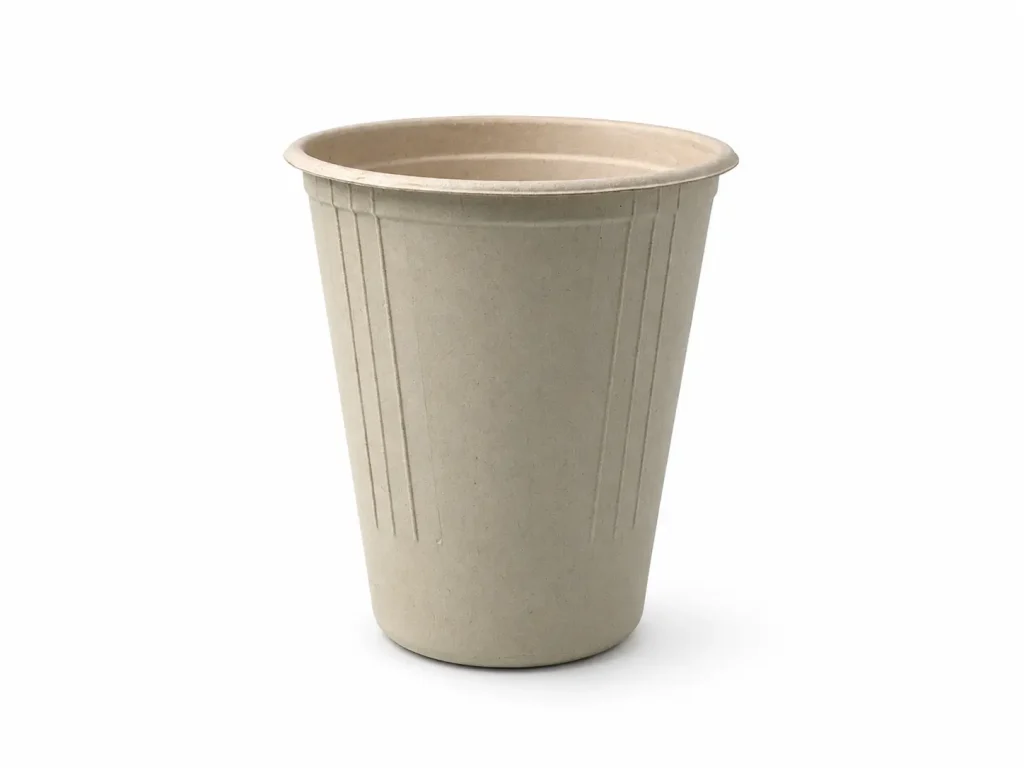
Review the key points that affect molded fiber cup selection, including usable capacity, serving temperature, lid compatibility, product-specific documentation, customization, MOQ, and development lead time.
Choose the size according to usable fill volume and serving format, not the ounce rating alone. The 8 oz and 12 oz formats are generally suited to regular beverage service; 4 oz and 6.5 oz formats can support desserts, tastings, or smaller servings; and 1 oz and 2 oz formats are more suitable for sauces, dips, condiments, and samples. Confirm the exact dimensions, intended fill level, and available lid before ordering samples.
Not automatically. Suitability depends on the exact cup specification, fiber formulation, barrier treatment, product temperature, contact time, and the food or beverage being packed. If the application involves hot drinks, oily sauces, acidic products, refrigeration, or delivery, request product-specific data and test samples under the actual use conditions before approving a bulk order.
Confirm the rim diameter, rim profile, forming tolerance, and closure structure rather than relying only on a nominal diameter. If you already use a lid, provide a physical sample or complete drawing for matching. If you need a new cup-and-lid set, test fit, opening and closing, handling stability, and transport performance together before mass production.
Available documents depend on the exact SKU, material formulation, manufacturing site, intended food contact, and destination market. Food-contact reports, material declarations, PFAS-related information, or compostability evidence should be checked against their current scope and validity. Buyers should provide the target market and required standard so KGP can confirm which documents apply to the selected product.
Customization scope, MOQ, and lead time depend on whether an existing mold can be used, the requested geometry, finish, lid structure, packing format, and order volume. If an existing size and standard packing meet your needs, the project can usually move faster and may require a lower MOQ. If a new cup shape, rim profile, closure, or dedicated mold is required, allow for tooling review, sample approval, higher minimums, and a longer development schedule. Send the target capacity, dimensions, application, estimated order quantity, and annual demand for evaluation.
Send your target fill volume, intended contents, operating temperature, lid requirement, destination market, and estimated quantity. KGP can review whether an existing cup format is suitable before custom tooling is considered.
Looking for reliable molded fiber cups and lids manufacturing?
KGP provides customized beverage packaging solutions with OEM support, stable production capacity, and flexible supply options for global brands, distributors, and foodservice companies.