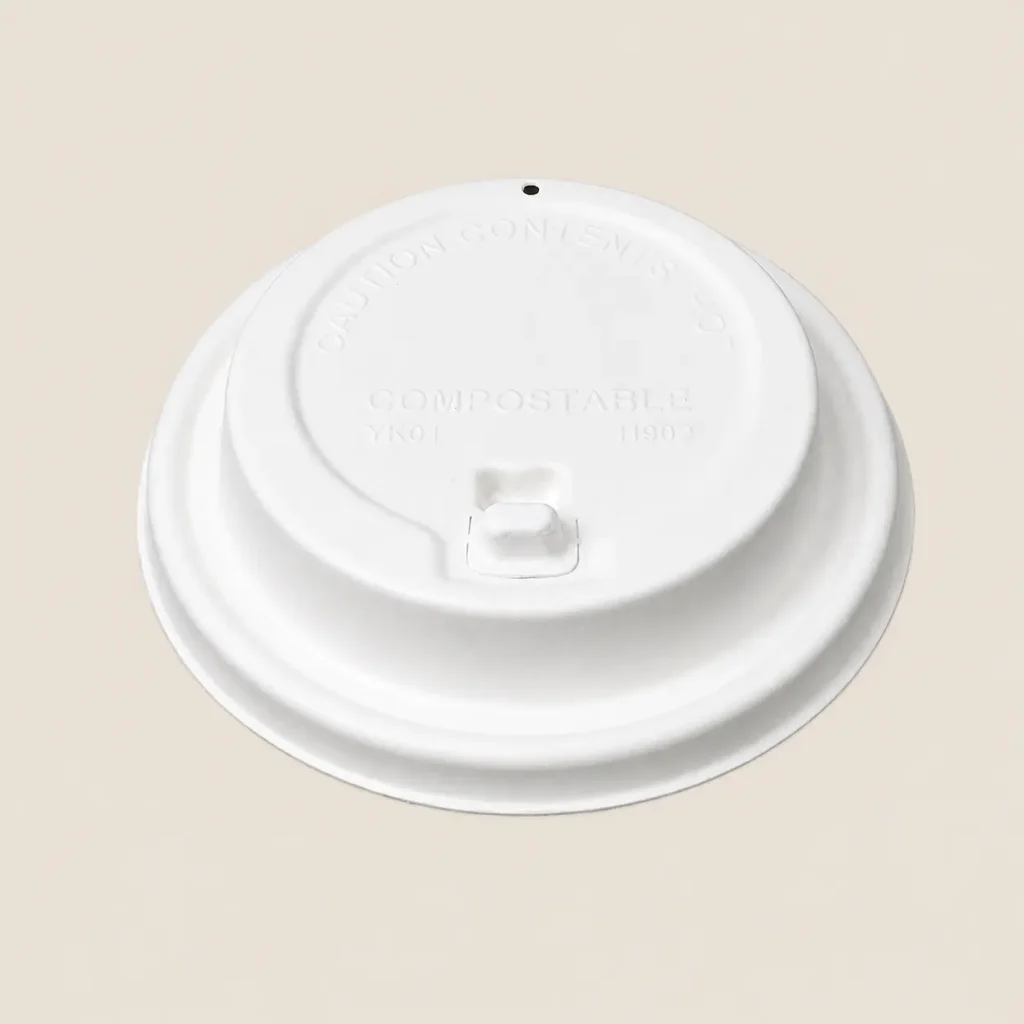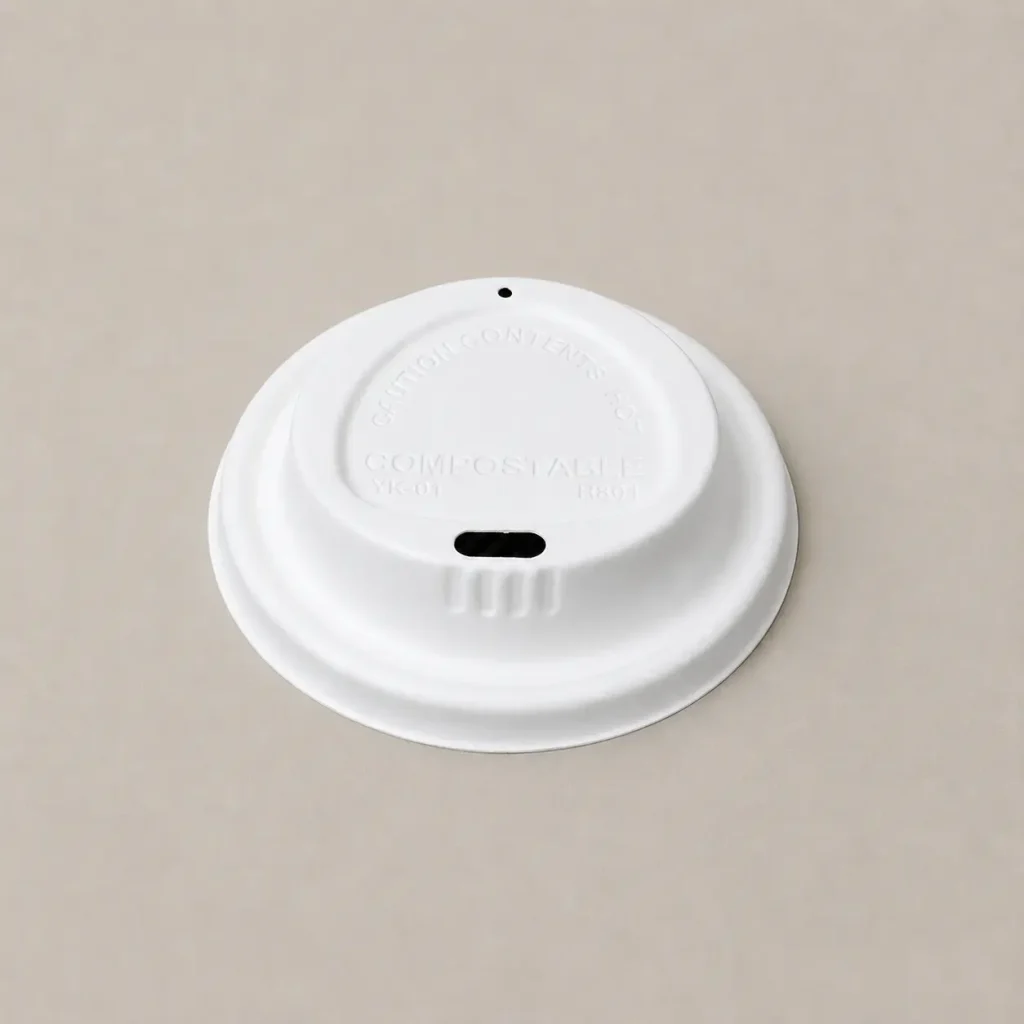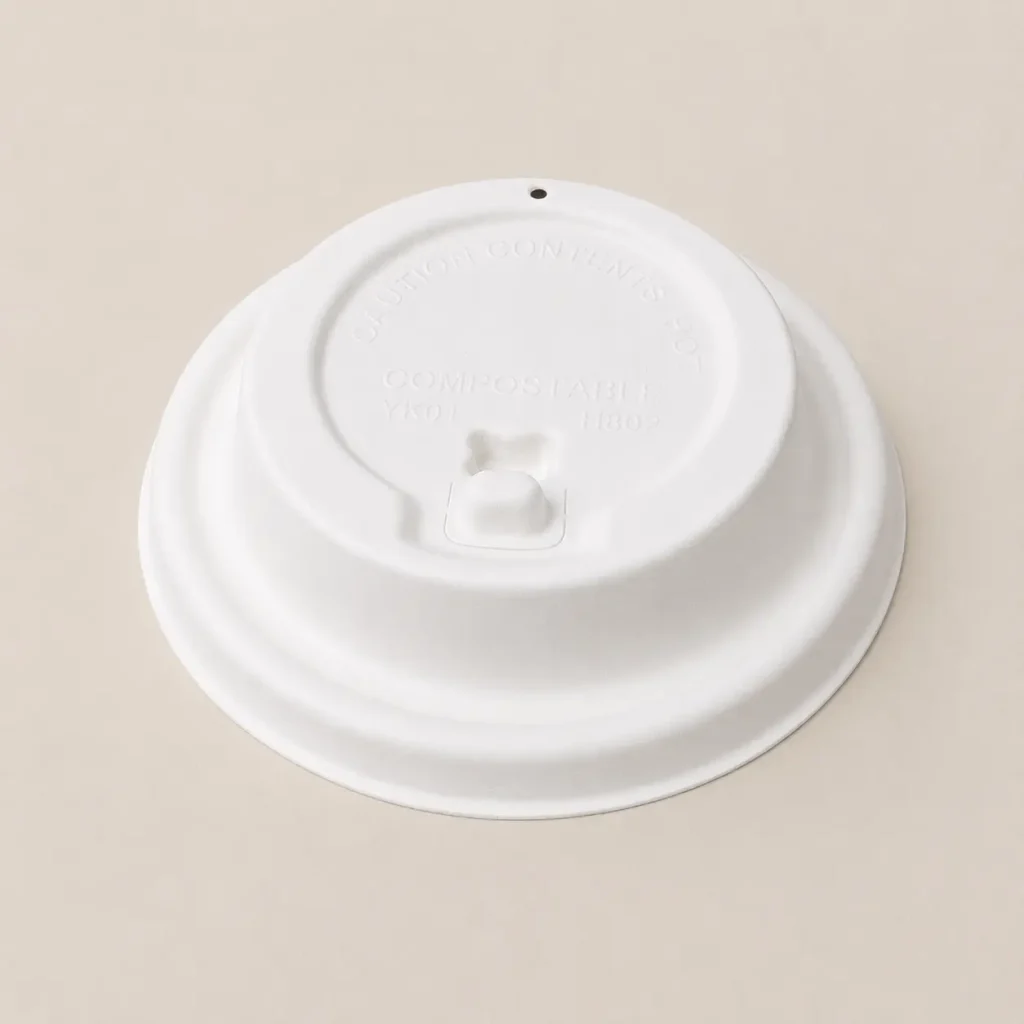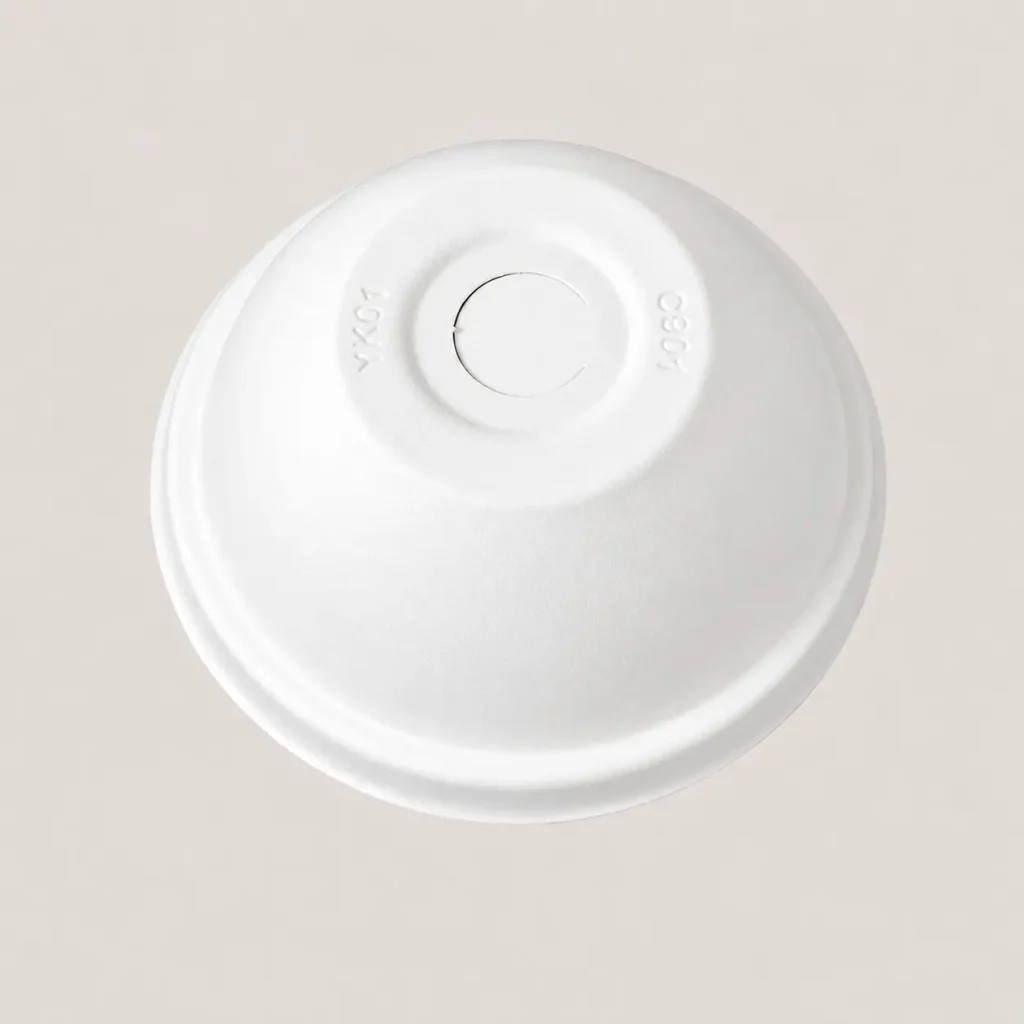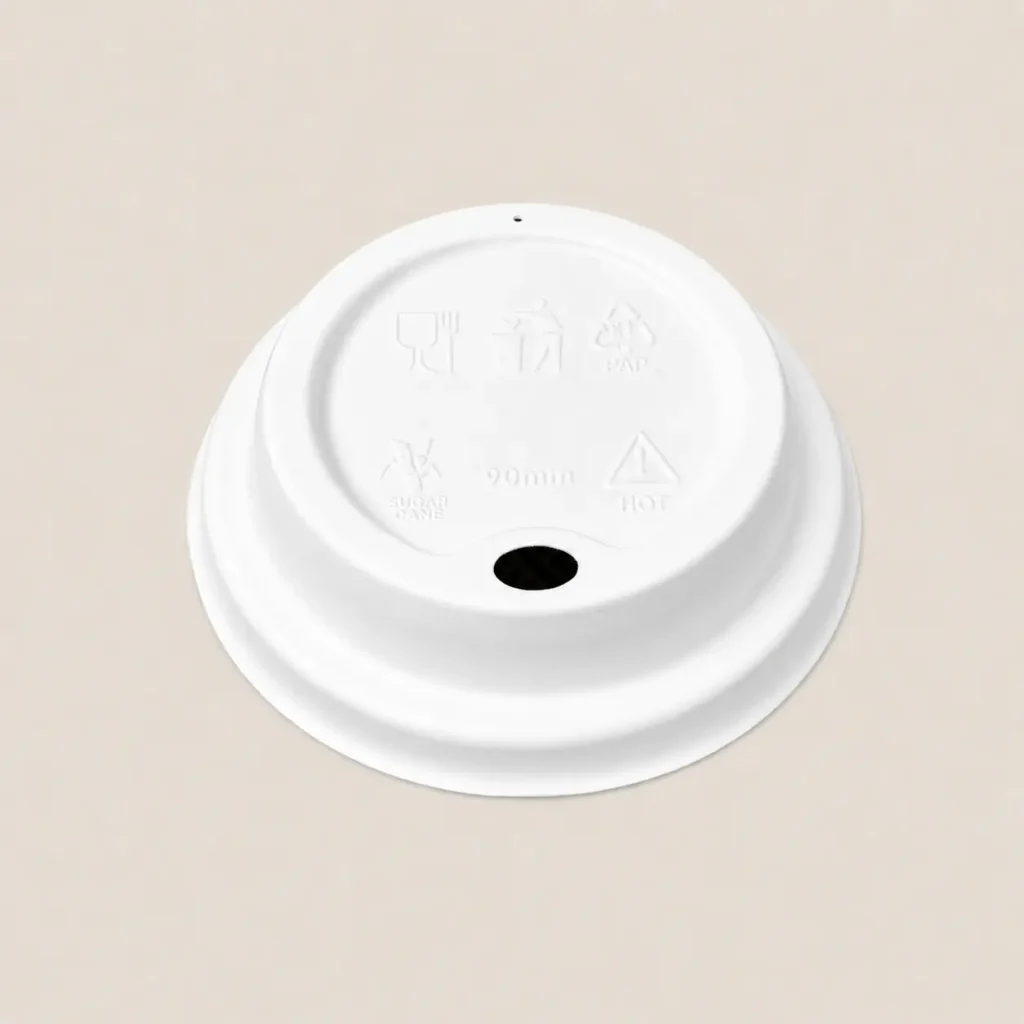

KGP supplies molded fiber cup lids in multiple closure formats for compatible hot and cold beverage cups. Available options include 80mm and 90mm sizes with sip openings, triangular drinking profiles, flip-top structures, and dome-style designs for different serving requirements. For commercial sourcing, buyers should match the lid to the actual cup rim dimensions, beverage temperature, drinking format, and takeaway conditions rather than selecting by nominal diameter alone.
REQUEST LID SAMPLES & QUOTE
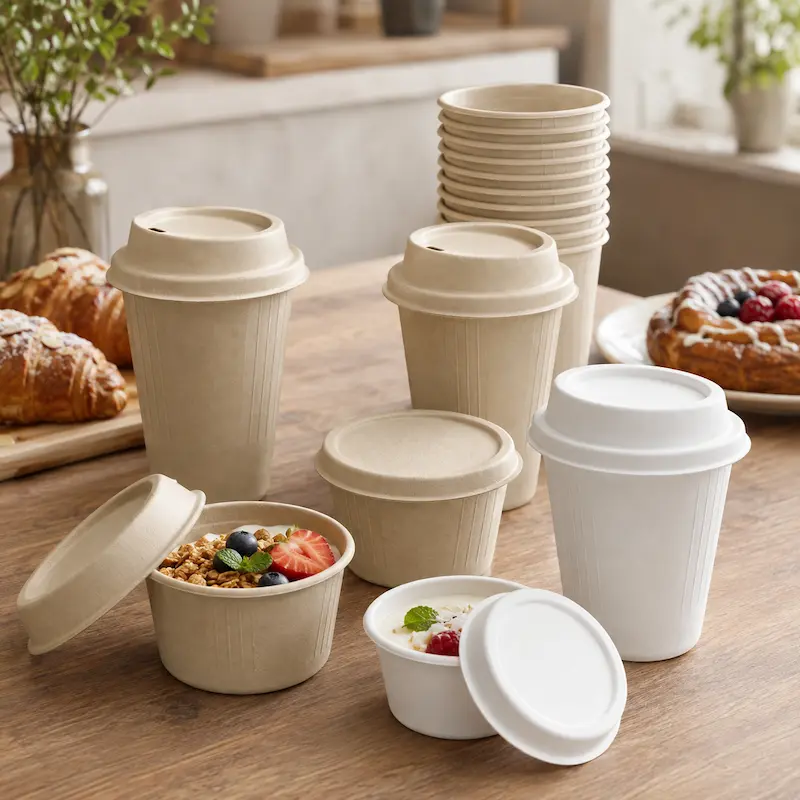
A molded fiber lid performs best when it is matched with the right cup, serving format, and takeaway system. Explore KGP molded fiber cups, drink carriers, food containers, and other complementary packaging categories, or review practical sourcing guides covering cup-and-lid compatibility, foodservice applications, material selection, and bulk purchasing considerations.
| Lid Option | Recommended Applications | Key Selection Considerations | Choose This Option When |
|---|---|---|---|
| 90mm Hot Cup Sip Lid | Coffee, tea, takeaway hot drinks | Confirm 90mm rim profile, sip opening position, fit stability, and serving temperature | You need a simple fixed drinking opening for standard 90mm hot beverage cups |
| 90mm Triangle-Design Hot Cup Lid | Coffee, tea, café takeaway beverages | Check drinking opening design, rim engagement, user comfort, and cup compatibility | You want a distinctive drinking profile for 90mm hot cup programs |
| 90mm Flip-Top Hot Cup Lid | Takeaway coffee, tea, delivery beverages | Validate flip closure operation, repeated opening, rim fit, and transport handling | You need an open-and-close drinking structure for takeaway or transport |
| 80mm Triangle-Design Hot Cup Lid | Smaller coffee and tea servings | Verify the actual cup rim dimensions rather than assuming all 80mm cups are identical | You use a smaller cup format and need a fixed drinking opening |
| 80mm Flip-Top Hot Cup Lid | Small takeaway hot beverages | Check closure movement, fit tolerance, cup rigidity, and handling conditions | You need a reclosable-style structure for compatible 80mm cups |
| 90mm Cold Cup Dome Lid | Cold beverages and selected chilled drink applications | Confirm dome clearance, cup rim profile, filling level, and intended cold-use conditions | You need additional headspace or a dome-style closure for a compatible 90mm cold cup |
An 80mm or 90mm nominal diameter does not guarantee universal compatibility. Rim geometry, forming tolerance, cup material, and locking structure can affect lid fit. If you already use a cup, send its drawing or physical sample for matching before approving production.
Different beverage programs place different demands on cup lids. Fixed drinking openings can support routine café service, flip-top structures are useful where temporary closure is preferred, and dome-style lids provide additional headspace for selected cold drinks. The final lid should always be matched to the cup rim, beverage temperature, drinking method, and transport conditions.

Sip-opening and triangle-design lids can be considered for coffee, tea, and other hot beverage programs where customers drink directly from the cup. Buyers should confirm serving temperature, opening position, rim fit, and drinking comfort with the selected cup.
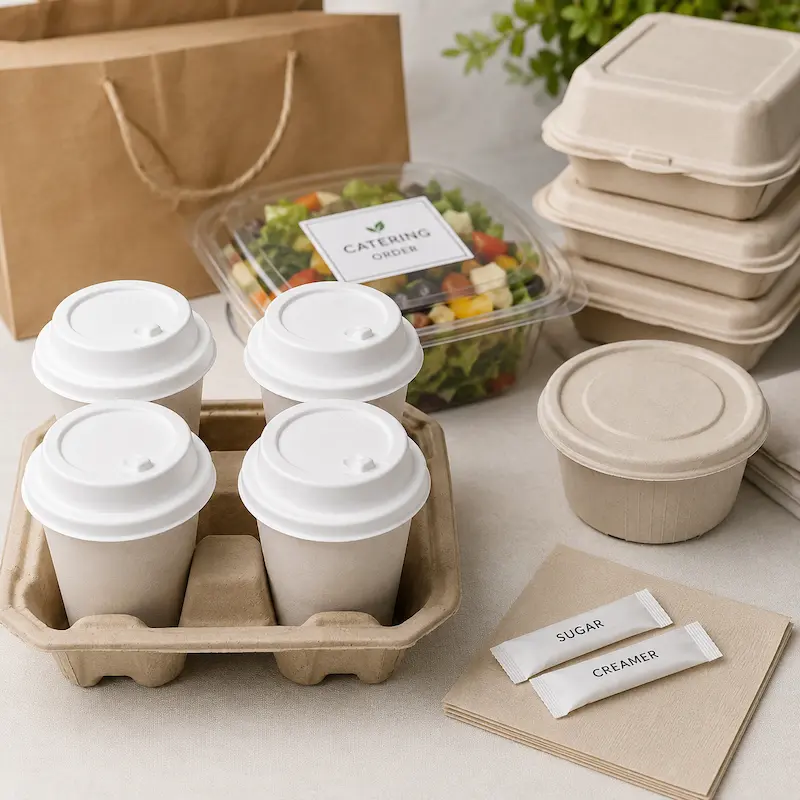
Flip-top lid structures are suited to applications where the drinking opening may need to be closed between uses. For takeaway and delivery programs, closure operation, cup retention, tilt handling, and transport stability should be tested before bulk approval.
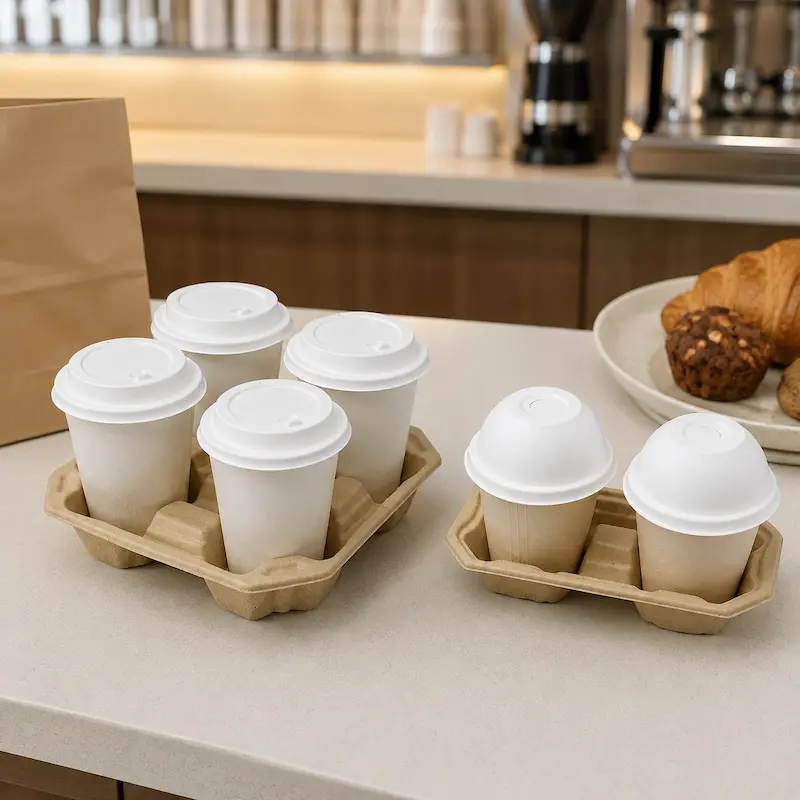
Dome-style molded fiber lids can provide additional internal clearance for selected cold beverage applications. Cup rim dimensions, fill level, beverage contents, dome height, and cold-use conditions should be confirmed as part of the complete cup-and-lid specification.
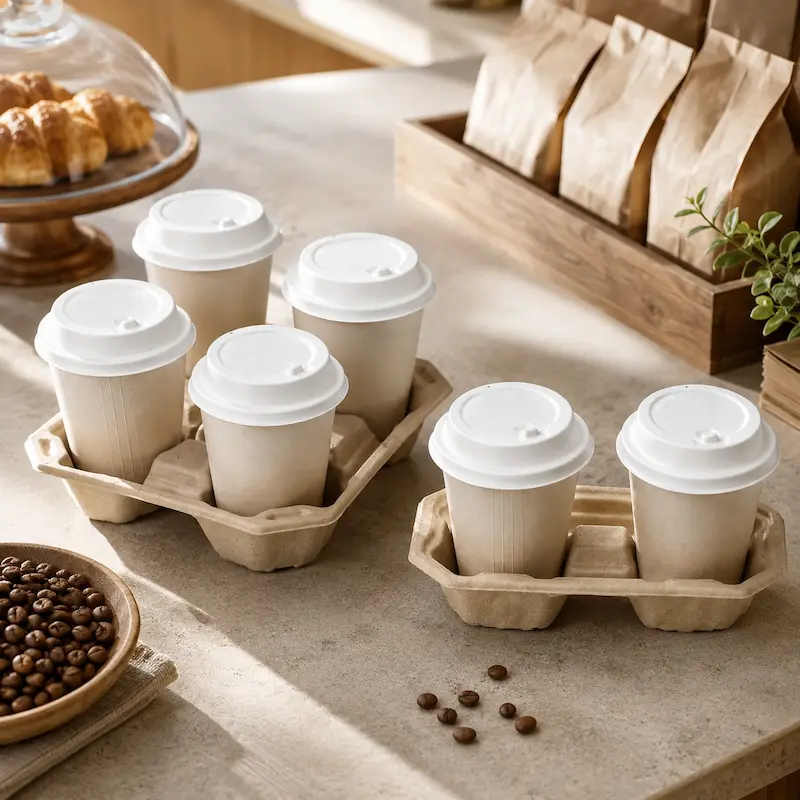
Restaurant groups, café chains, caterers, and distributors can standardize compatible lid formats across selected cup sizes to simplify purchasing and inventory management. Physical samples and approved specifications help reduce fit problems when the same packaging system is reordered at scale.
Selecting a molded fiber cup lid requires more than matching an 80mm or 90mm nominal diameter. Rim geometry, cup material, forming tolerance, lid structure, beverage temperature, and transport conditions can all affect final fit and performance.
Two cups with the same stated rim diameter may still require different lids because rim shape, edge thickness, and locking geometry can vary. Physical samples or detailed cup drawings should be reviewed before approving a lid for commercial use.
Confirm outer diameter, rim shape, edge thickness, and engagement area so the lid can seat correctly on the selected cup instead of relying only on the nominal size.
Sip openings, triangular drinking profiles, flip-top closures, and dome structures should be selected according to drinking method, beverage type, and takeaway requirements.
Evaluate fitting, removal, repeated opening, tilt handling, stacking, filling temperature, and transport performance using the actual cup-and-lid combination before mass production.
If you already have a cup, send a physical sample or complete rim drawing for lid matching. If you are developing a new cup-and-lid set, confirm the beverage application first, then select the diameter and closure structure before sample testing.
Available documentation should be reviewed against the exact molded fiber lid, material formulation, intended food contact, manufacturing scope, and destination market rather than assuming one certificate covers the entire product range.
Technical specifications help buyers identify the exact lid version, compare compatible cup requirements, and maintain consistent purchasing records for repeat orders.
Food-contact evidence such as FDA- or LFGB-related documentation can be reviewed where applicable to the selected material, product specification, intended use, and destination market.
Compostability claims should only be used when the selected material or finished lid falls within the valid scope of the relevant certification or supporting test documentation.
Additional declarations can be reviewed according to destination-country regulations, retailer specifications, foodservice requirements, and the selected lid formulation.
Provide the selected lid model, matching cup specification, beverage application, destination country, and required compliance standard. KGP can then confirm which current specifications, certificates, declarations, and test reports apply to the project.
Pair molded fiber cup lids with compatible cups, drink carriers, food containers, trays, and other foodservice packaging formats. Exploring related categories helps buyers coordinate cup-and-lid systems, add complementary takeaway products, reduce supplier fragmentation, and combine multiple items into a more efficient bulk purchasing program.
Compostable cups and lids designed for hot and cold beverages, coffee shops, takeaway services, and beverage brands requiring sustainable packaging solutions.
Sustainable cup carriers designed for coffee shops, restaurants, delivery services, and foodservice operations with stable beverage handling performance.
Plant-based fiber plates offering a sustainable alternative for restaurants, catering services, and disposable food packaging applications.
Eco-friendly hinged containers designed for takeaway meals, bakery products, and food delivery packaging requirements.
Durable molded fiber containers for restaurants, meal delivery, catering, and ready-to-eat food packaging applications.
Plant-based forks, knives, and spoons designed for sustainable dining solutions and modern foodservice packaging needs.
Protective molded fiber packaging designed for safe egg transportation and sustainable retail packaging solutions.
OEM packaging solutions with customized designs, structures, and sizes to meet different industry requirements and brand applications.
For molded fiber cup lids, production consistency directly affects rim engagement, drinking-opening geometry, closure operation, stacking, and compatibility with the selected cup. KGP supports commercial lid programs through specification approval, forming control, fit inspection, functional testing, and export packing management.

Key lid dimensions such as nominal diameter, rim engagement area, edge geometry, drinking opening, dome height, and closure features should remain within the approved specification. Stable forming and drying conditions help reduce deformation that could affect cup fit or stacking performance.
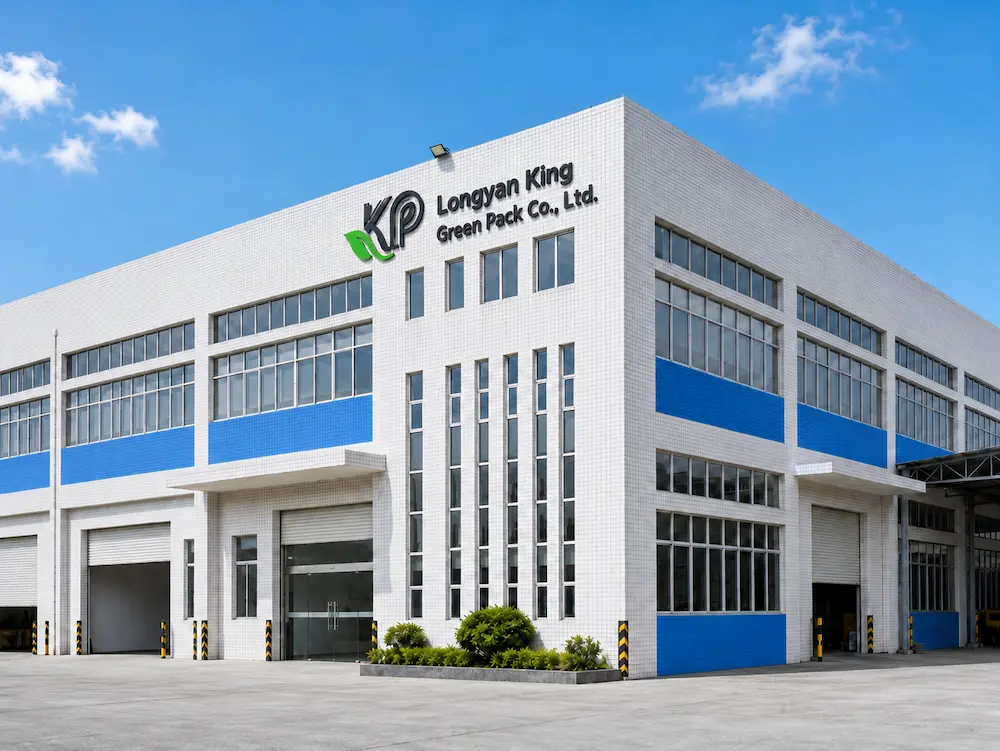
Inspection can include visual condition, rim fit, lid retention, drinking-opening formation, flip-top movement, dome structure, and compatibility with approved cup samples. Critical fit points should be agreed before production so finished lids are evaluated against the same acceptance criteria.
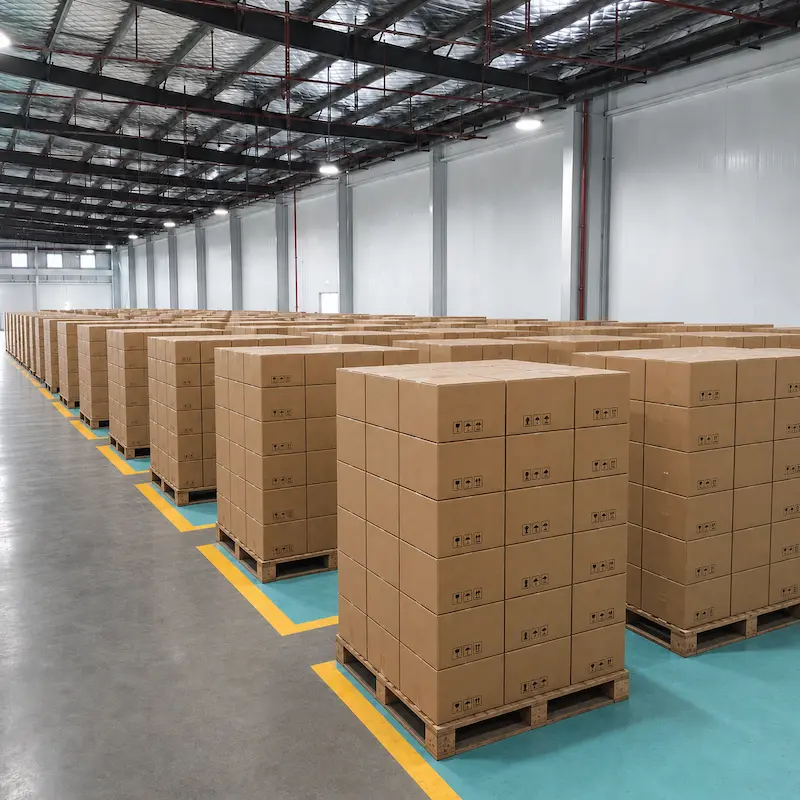
Nesting direction, inner packing, carton quantity, shipping marks, pallet requirements, and loading plans can be coordinated for international orders. Retaining approved samples and technical specifications helps maintain consistency when the same lid is reordered for ongoing beverage programs.
If you already use a cup, provide the physical cup sample or complete rim drawing before lid approval. If you are developing a new system, approve the cup and lid together. If the lid will be used for takeaway or delivery, include real filling-temperature, tilt, handling, and transport tests before confirming mass production.
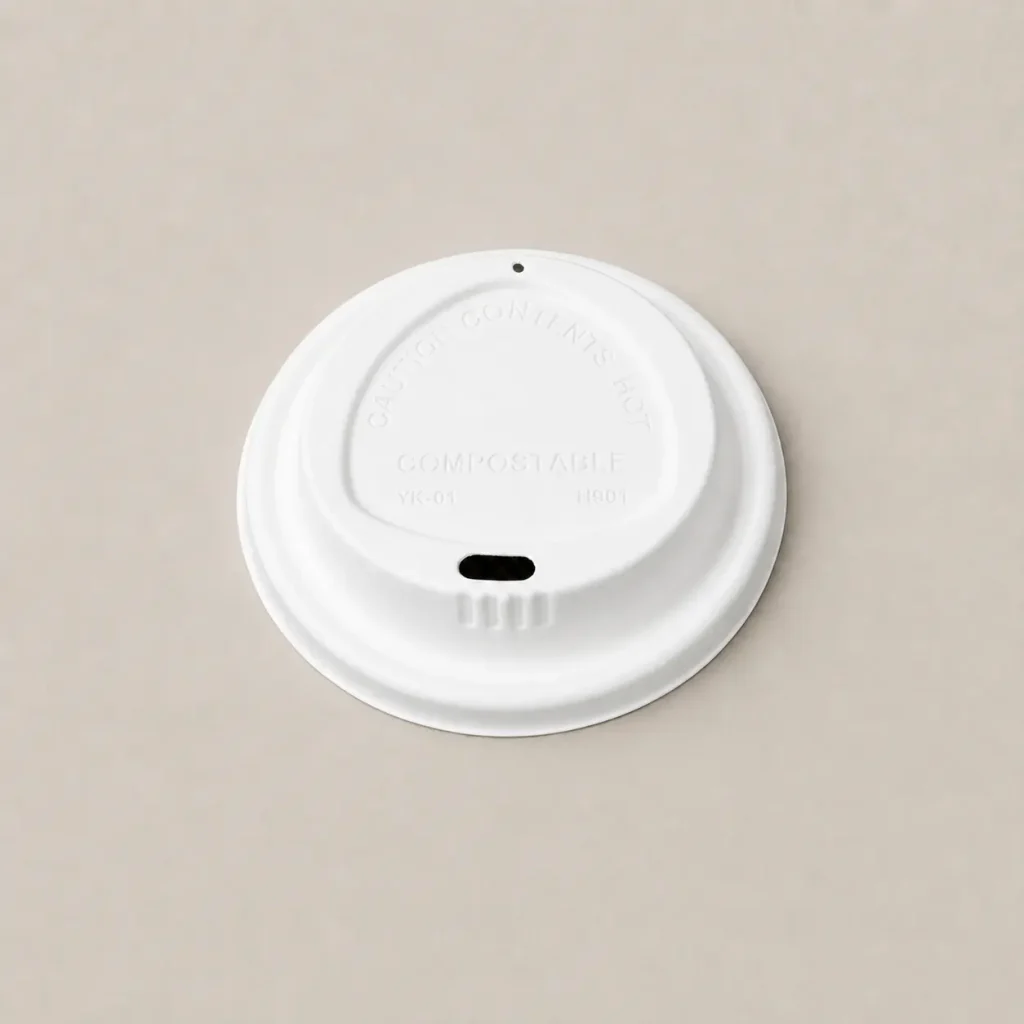
Review the key factors that affect molded fiber cup lid selection, including 80mm and 90mm sizing, cup-rim compatibility, closure structure, hot and cold applications, customization, MOQ, and product-specific compliance documentation.
No. Nominal diameter is only the first matching reference. Two cups described as 80mm or 90mm can still have different rim profiles, edge thicknesses, forming tolerances, or locking geometries. If you already use a cup, provide the physical sample or a detailed rim drawing so the lid can be checked against the actual cup before bulk production.
Choose the lid according to beverage type, drinking method, cup size, and transport requirements. A fixed sip opening is suitable for straightforward drink-through service, triangle-design lids provide a different drinking profile, flip-top structures can offer temporary closure of the drinking opening, and dome-style lids provide additional internal clearance for selected cold beverage applications. Final selection should be confirmed with the intended cup and real-use testing.
Not automatically. Hot and cold beverage applications can require different lid structures, material performance, internal clearance, and fit conditions. Confirm the exact lid specification, beverage temperature, contact time, cup material, and handling method before approval. For takeaway or delivery, test the complete cup-and-lid system under the actual filling and transport conditions.
Test the actual production-intent cup and lid together. Check installation force, rim engagement, lid retention, drinking-opening formation, removal, repeated opening where applicable, tilt handling, stacking, filling temperature, and transport performance. If fit is critical to a chain or distribution program, retain an approved sample and dimensional specification as the reference for future production and repeat orders.
These factors depend on whether an existing lid mold can be used, the required diameter, closure structure, material formulation, packing format, order quantity, and destination market. Standard 80mm or 90mm options may allow a simpler sourcing process, while a new rim geometry or dedicated closure design can require tooling development and additional sample approval. Compliance files should also be checked against the exact SKU and certification scope. Send the cup specification, lid requirement, application, estimated quantity, and target market for project evaluation.
Send your cup rim diameter, rim profile or sample, beverage type, serving temperature, preferred lid structure, destination market, and estimated order quantity. KGP can review suitable existing lid options before custom tooling is considered.
Need an 80mm or 90mm lid for an existing cup or a new beverage packaging program?
Send us your cup rim dimensions, preferred lid structure, beverage type, serving temperature, and estimated order quantity. KGP can help evaluate suitable sip, triangle-design, flip-top, or dome lid options, arrange samples, and confirm the required specifications before bulk production.