Quick Summary:Sugarcane Bagasse Plates provide restaurants, catering companies, and foodservice businesses with a sustainable disposable tableware solution made from renewable sugarcane fiber. These plant-based plates combine durability, food safety, and practical performance for hot and cold food applications. Businesses choosing eco friendly plates for restaurants should evaluate material quality, manufacturing capability, certifications, and supplier reliability before purchasing.
Why More Businesses Are Choosing Sugarcane Bagasse Plates for Modern Foodservice
The foodservice industry is experiencing a major shift in how businesses approach disposable tableware. Restaurants, catering companies, cafés, and food brands are no longer looking only for low-cost serving products. They are also considering sustainability, customer expectations, operational performance, and long-term brand value.
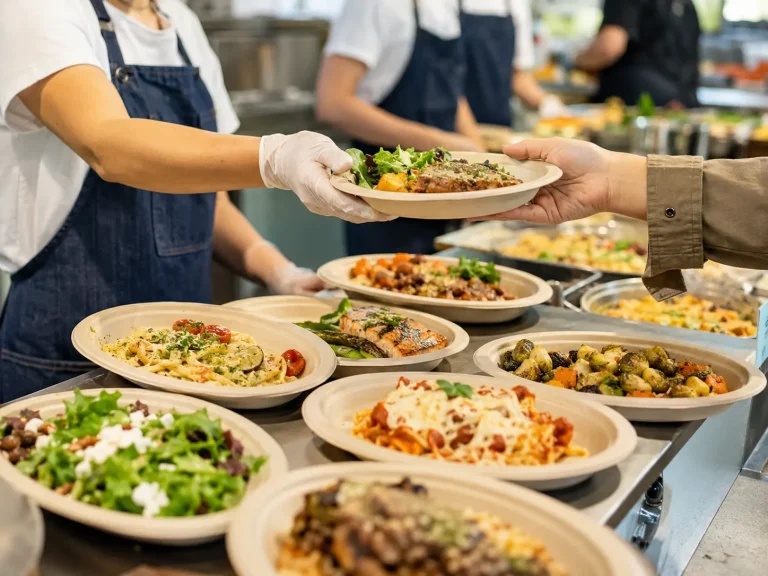
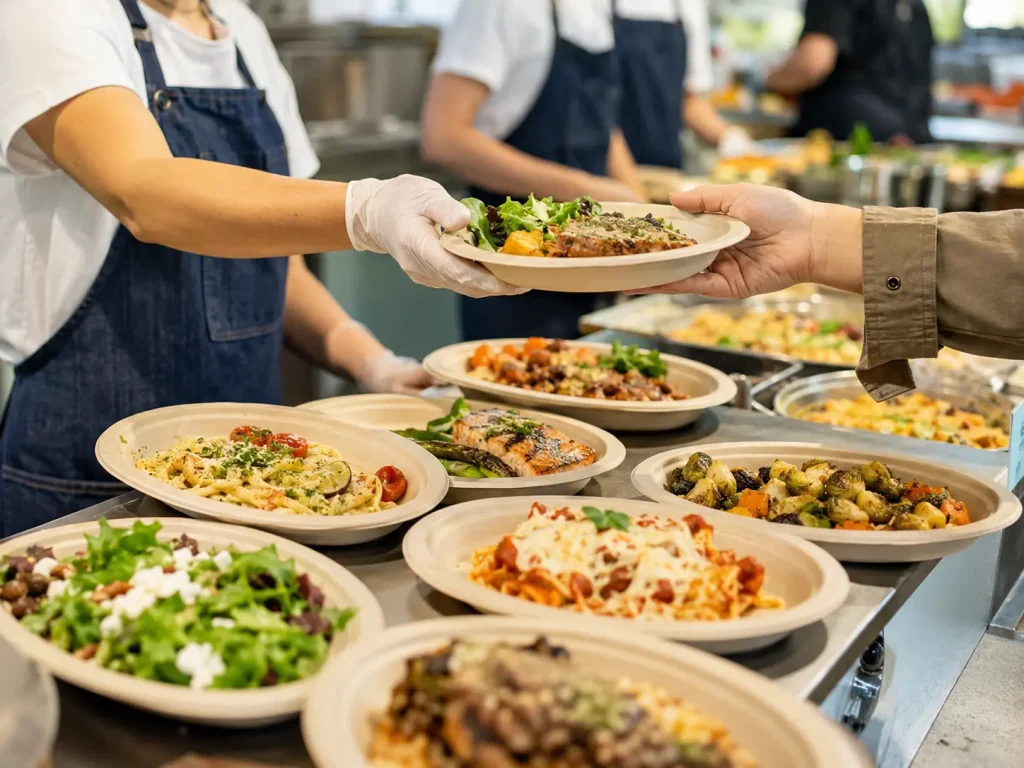
A restaurant serving hundreds of takeaway meals every day needs plates that can handle real working conditions. The packaging must support hot meals, oily foods, sauces, transportation, and customer handling while maintaining a professional appearance.
This is why many businesses are adopting Sugarcane Bagasse Plates as a practical alternative for sustainable foodservice applications.
Made from sugarcane fiber left after sugar extraction, these plates transform agricultural residue into useful food packaging products. They provide businesses with a renewable material option while maintaining the strength and convenience required for daily operations.
Modern foodservice buyers usually evaluate disposable plates based on several factors:
- Food safety and material compliance
- Strength during transportation and serving
- Compatibility with hot and cold foods
- Sustainability requirements
- Supplier production capability
The goal is not simply replacing one material with another. The goal is selecting a packaging solution that matches business needs, customer expectations, and future sustainability strategies.
For restaurants looking to improve their environmental positioning while maintaining reliable performance, Eco Friendly Plates for Restaurants have become an increasingly important purchasing category.
What Are Sugarcane Bagasse Plates?
Understanding Sugarcane Bagasse as a Renewable Material
Sugarcane bagasse is the fibrous material remaining after sugarcane stalks are processed to extract juice. Traditionally, this agricultural residue required additional management after production. Modern packaging technology allows manufacturers to process this fiber into useful disposable food products.
The basic material process includes:
| Production Stage | Description |
|---|---|
| Sugarcane Processing | Sugar is extracted from harvested sugarcane |
| Fiber Collection | Remaining bagasse material is collected |
| Pulp Preparation | Fibers are cleaned and processed |
| Packaging Production | Pulp is molded into plates and tableware |
Because bagasse comes from an agricultural by-product, it supports a more resource-efficient approach compared with relying only on newly extracted raw materials.
This makes bagasse particularly attractive for businesses seeking plant fiber plates that align with sustainability goals.
How Sugarcane Bagasse Plates Are Manufactured
Commercial production of bagasse plates involves specialized molding technology that converts processed fibers into strong and functional food packaging.
The typical manufacturing process includes:
- Raw material preparation and cleaning
- Fiber pulp formation
- Mold shaping according to plate design
- Heat pressing for structural strength
- Quality inspection and packaging
Unlike simple paper products, molded fiber packaging creates a three-dimensional structure that improves rigidity and usability.
| Manufacturing Process | Purpose | Quality Impact |
|---|---|---|
| Fiber Preparation | Creates consistent pulp quality | Improves product stability |
| Molding | Forms plate structure | Controls shape and dimensions |
| Heat Pressing | Strengthens the product | Improves rigidity |
| Inspection | Checks product standards | Reduces quality variation |
For businesses purchasing large quantities, manufacturing consistency is just as important as the material itself. A reliable production process helps ensure every shipment meets expected performance standards.
Companies evaluating long-term packaging partners should review supplier experience and production capability. Understanding a company’s background through a professional sustainable packaging manufacturer helps buyers evaluate manufacturing expertise, quality systems, and industry experience.
Why Sugarcane Bagasse Plates Are Becoming Popular in Foodservice
Meeting Growing Demand for Sustainable Disposable Tableware
Sustainability has become an important factor in purchasing decisions across the foodservice industry. Customers increasingly notice how restaurants package and serve food, especially in takeaway and delivery environments.
Businesses are responding by adopting sustainable disposable tableware that supports both operational needs and environmental goals.
Several factors are driving this change:
- Increasing awareness of plastic waste issues
- Growing demand for renewable materials
- Corporate sustainability commitments
- Changing customer expectations
- Regional packaging regulations
However, sustainable packaging must still perform well in real situations. Restaurants cannot sacrifice food safety, durability, or customer experience.
| Business Requirement | Bagasse Plate Advantage |
|---|---|
| Sustainable Brand Image | Plant-based material supports environmental positioning |
| Daily Restaurant Use | Provides practical serving performance |
| Takeaway Applications | Lightweight and easy to transport |
| Large Volume Purchasing | Suitable for commercial supply programs |
The best packaging choice depends on application requirements rather than trends alone.
If a business wants to improve sustainability while maintaining disposable tableware performance → choose high-quality fiber-based plates designed for foodservice applications.
How Sugarcane Bagasse Plates Perform in Real Foodservice Applications
Supporting Restaurants, Catering, and Takeaway Businesses
The value of disposable tableware is determined by how well it performs in real working environments. Restaurants, catering companies, and food delivery businesses require plates that can handle different food types while maintaining reliability.
Sugarcane Bagasse Plates are commonly used in applications such as:
- Restaurant takeaway meals
- Corporate catering events
- Food festivals and outdoor dining
- Cafeteria serving systems
- Quick-service restaurants
For example, a catering company preparing hundreds of meals for an event needs plates that can support hot dishes, sauces, and transportation without losing structural integrity.
Similarly, a restaurant offering delivery services needs disposable plates that maintain food presentation from kitchen preparation to customer consumption.
| Application | Main Challenge | Recommended Consideration |
|---|---|---|
| Restaurant Dining | Appearance and customer experience | Strong and attractive plate design |
| Food Delivery | Transportation and leakage risks | Rigid structure and durability |
| Catering Events | Large quantity usage | Stable bulk supply capability |
| Outdoor Activities | Convenience and sustainability | Lightweight disposable solutions |
This practical flexibility is one reason why businesses continue to increase their use of sugarcane bagasse dinner plates for commercial foodservice.
Key Performance Features of Sugarcane Bagasse Plates
Heat Resistance and Food Compatibility
One of the most important requirements for foodservice plates is the ability to handle different temperatures and food conditions.
Restaurants commonly serve:
- Hot meals
- Fried foods
- Grilled dishes
- Saucy foods
- Cold desserts and snacks
A well-manufactured bagasse plate should maintain its structure when used with common foodservice applications.
| Performance Feature | Typical Capability | Buyer Benefit |
|---|---|---|
| Hot Food Handling | Designed for warm meal applications | Maintains serving convenience |
| Oil Resistance | Suitable for many fried and oily foods | Reduces leakage concerns |
| Liquid Compatibility | Supports food with sauces and moisture | Improves customer experience |
| Structural Rigidity | Maintains shape during use | Better presentation |
However, buyers should remember that performance depends on product design, material quality, and manufacturing processes.
A low-quality product may not provide the same durability as professionally manufactured packaging.
If your business serves hot meals, oily foods, or takeaway orders frequently → choose food grade bagasse plates with verified production quality.
Strength and Durability for Commercial Foodservice
Durability is a key purchasing factor because restaurants cannot afford packaging failures during daily operations.
Common customer complaints caused by poor disposable plates include:
- Plate bending during serving
- Food leakage
- Poor presentation
- Difficult handling
High-quality molded fiber plates are designed with optimized thickness and fiber distribution to improve strength.
| Strength Factor | Influence on Performance |
|---|---|
| Fiber Density | Affects rigidity and load capacity |
| Plate Thickness | Improves structural stability |
| Molding Accuracy | Ensures consistent product shape |
| Material Quality | Determines overall reliability |
For businesses requiring stronger serving solutions, heavy duty bagasse plates can provide improved performance for demanding food applications.
Microwave and Food Safety Considerations
One frequently searched question among food businesses is whether bagasse plates are suitable for microwave applications.
The answer depends on:
- Product specifications
- Manufacturing standards
- Material composition
- Customer usage requirements
Professional buyers should always confirm product testing and supplier documentation before selecting packaging for microwave-related applications.
Many businesses choose microwave safe bagasse plates because they provide additional convenience for food preparation and reheating processes.
| Safety Consideration | Buyer Action |
|---|---|
| Food Contact Compliance | Verify supplier documentation |
| Temperature Requirements | Confirm application suitability |
| Customer Usage | Understand real operating conditions |
| Certification Needs | Select products matching target market rules |
Sugarcane Bagasse Plates Compared With Other Disposable Plate Options
Material Selection Should Match Business Requirements
When choosing disposable tableware, businesses should focus on application needs rather than simply comparing which material is universally better.
Different materials may provide different advantages depending on:
- Food type
- Usage environment
- Customer expectations
- Regulatory requirements
- Brand positioning
| Factor | Sugarcane Bagasse Plates | Traditional Disposable Plates |
|---|---|---|
| Material Source | Agricultural fiber resource | Depends on material type |
| Sustainability Position | Supports renewable packaging strategies | Varies by material |
| Foodservice Use | Suitable for restaurants and catering | Depends on product design |
| Brand Image | Strong sustainability message | Depends on packaging choice |
The goal is not to create a simple material competition. The right solution depends on what the business needs to achieve.
For companies prioritizing renewable materials and sustainable foodservice strategies, Sugarcane Bagasse Plates provide a practical packaging option that balances performance and environmental considerations.
Benefits of Sugarcane Bagasse Plates for Different Businesses
For Restaurants and Cafés
Restaurants increasingly use disposable plates not only for convenience but also as part of their brand experience.
Important benefits include:
- Supports sustainable brand positioning
- Provides reliable daily serving performance
- Works well for takeaway operations
- Improves customer perception
If a restaurant wants to strengthen its eco-friendly image while maintaining practical foodservice performance → choose quality sugarcane fiber tableware solutions.
For Catering Companies
Catering businesses often require large quantities of disposable plates for events, conferences, and outdoor activities.
Their priorities include:
- Stable bulk supply
- Consistent product quality
- Efficient storage
- Easy transportation
Working with a reliable bulk sugarcane plates supplier helps catering companies maintain smooth operations during large events.

How Different Businesses Should Choose Sugarcane Bagasse Plates
Choosing Plates for Restaurants and Cafés
Restaurants and cafés usually need disposable tableware that balances customer experience, daily reliability, and purchasing efficiency.
The right plate selection depends on:
- Menu type
- Food temperature
- Customer volume
- Takeaway requirements
- Brand positioning
For example, a café serving sandwiches and desserts may require different plate characteristics compared with a restaurant serving hot meals with sauces.
| Restaurant Type | Main Requirement | Recommended Consideration |
|---|---|---|
| Coffee Shops | Lightweight and attractive presentation | Standard fiber plates |
| Fast Casual Restaurants | Daily durability | Strong molded bagasse designs |
| Takeaway Restaurants | Transportation reliability | Rigid foodservice plates |
| Premium Food Brands | Sustainable brand image | Customized plant fiber packaging |
If a restaurant wants sustainable packaging without changing daily operations → choose professionally manufactured bagasse plates designed for foodservice applications.
Choosing Plates for Catering Companies
Catering companies often manage large events where packaging reliability directly affects service quality.
Common situations include:
- Corporate events
- Wedding receptions
- Outdoor festivals
- Large food service programs
Catering buyers usually prioritize:
- Bulk availability
- Consistent quality
- Easy transportation
- Efficient storage
For these buyers, selecting a dependable wholesale sugarcane bagasse plates supplier helps maintain stable operations during high-volume events.
Choosing Plates for Foodservice Distributors
Distributors have different purchasing priorities because they serve multiple customers with different requirements.
They usually evaluate:
| Distributor Concern | Supplier Requirement |
|---|---|
| Large Order Volume | Stable production capacity |
| Customer Diversity | Multiple product options |
| Delivery Schedule | Reliable supply management |
| Market Competition | Competitive wholesale solutions |
For distributors, supplier reliability is often more important than choosing the lowest product price.
Common Mistakes When Purchasing Sugarcane Bagasse Plates
Mistake 1: Choosing Only Based on Price
One of the most common purchasing mistakes is selecting disposable plates only according to unit cost.
Although lower prices may seem attractive initially, poor-quality packaging can create additional costs.
Potential consequences include:
- Plate deformation during use
- Food leakage problems
- Customer complaints
- Higher replacement expenses
- Damage to brand reputation
A professional buyer should consider total value rather than only purchase price.
| Short-Term Decision | Long-Term Impact |
|---|---|
| Choosing the cheapest supplier | Potential quality and supply risks |
| Testing before purchase | Reduced operational problems |
| Evaluating manufacturing ability | More stable long-term cooperation |
If packaging quality affects customer experience → choose suppliers based on performance, consistency, and service capability, not only price.
Mistake 2: Ignoring Plate Size and Food Application
Different foods require different plate designs. A plate suitable for light snacks may not perform well for heavy meals.
Before purchasing, businesses should consider:
- Plate diameter
- Food weight
- Food temperature
- Sauce and moisture level
- Serving environment
| Food Type | Important Plate Requirement |
|---|---|
| Salads | Lightweight and moisture resistance |
| Hot Meals | Strong structure and heat performance |
| Fried Food | Oil resistance |
| Combination Meals | Larger size and rigidity |
Testing the actual food application before large-volume purchasing helps avoid unnecessary problems.
Mistake 3: Selecting Suppliers Without Factory Capability
A supplier’s manufacturing ability directly influences product consistency, delivery reliability, and customization options.
Businesses should evaluate:
- Production equipment
- Factory capacity
- Quality inspection systems
- Material sourcing process
Working with suppliers without strong manufacturing control may result in:
- Unstable product quality
- Delayed shipments
- Limited customization ability
- Difficulty handling large orders
For long-term cooperation, buyers should select experienced partners with proven production capability.
How to Select a Reliable Sugarcane Bagasse Plates Manufacturer
Evaluate Manufacturing Capability and Production Experience
A professional manufacturer should provide more than finished products. They should have the technical ability to support material selection, product development, quality control, and commercial production.
Important evaluation points include:
| Evaluation Area | Why It Matters |
|---|---|
| Production Capacity | Supports stable large-volume supply |
| Molding Technology | Improves product consistency |
| Quality Management | Reduces production variation |
| Material Control | Ensures reliable performance |
| OEM Capability | Supports customized solutions |
Companies searching for a sugarcane bagasse plates manufacturer should review factory experience, production processes, and quality standards before placing large orders.
Quality Control During Production
Quality control is essential because food packaging directly affects customer safety and user experience.
| Quality Check | Purpose |
|---|---|
| Raw Material Inspection | Ensures consistent fiber quality |
| Weight Testing | Controls product consistency |
| Strength Testing | Evaluates durability |
| Appearance Inspection | Maintains professional presentation |
| Food Contact Testing | Supports market compliance |
OEM and Custom Packaging Development
Growing food brands often require packaging solutions that match their business identity.
Customization options may include:
- Different plate sizes
- Custom shapes
- Packaging design
- Private label solutions
- Bulk production programs
Working with an experienced OEM disposable tableware manufacturer allows businesses to develop packaging solutions that better match their market requirements.
Food Safety Regulations and Compliance Considerations for Sugarcane Bagasse Plates
Why Compliance Matters for Food Packaging Buyers
Food packaging is directly connected with consumer safety, which means businesses must carefully evaluate supplier compliance before purchasing disposable tableware.
A product that performs well physically but does not meet market requirements can create serious business risks, including import issues, customer complaints, and regulatory problems.
Professional buyers should consider:
- Food contact safety requirements
- Material testing documentation
- Target market regulations
- Supplier quality management systems
Common International Compliance Considerations
| Market / Standard | Purpose | Buyer Consideration |
|---|---|---|
| FDA Food Contact Requirements | Supports food safety compliance in the United States | Confirm supplier documentation |
| EU Food Contact Regulations | Controls materials contacting food products | Verify market suitability |
| EN 13432 | Evaluates compostable packaging requirements | Important for compostability claims |
| ASTM D6400 | Standard related to compostable plastics and labeling | Check applicability according to material type |
The specific certification requirements depend on the target country, application, and product claims.
Businesses should avoid making sustainability claims without proper verification. Accurate documentation helps protect brand reputation and customer trust.
The Future Development of Sugarcane Fiber Food Packaging
Growing Adoption of Renewable Packaging Materials
The foodservice industry is moving toward packaging solutions that combine practical performance with environmental responsibility.
This trend is influenced by:
- Increasing sustainability awareness
- Plastic reduction initiatives
- Corporate environmental goals
- Consumer preference changes
- Growth of takeaway and delivery services
As businesses continue to improve their sustainability strategies, demand for renewable fiber packaging is expected to increase.
Future Improvements in Bagasse Plate Technology
Future developments in Sugarcane Bagasse Plates will focus on improving performance, customization, and supply chain efficiency.
| Future Direction | Expected Benefit |
|---|---|
| Improved Fiber Processing | Better strength and consistency |
| Advanced Molding Technology | More customized designs |
| Better Quality Control | Reduced production variation |
| Expanded Applications | More foodservice uses |
For businesses, selecting suppliers with continuous improvement capability will become increasingly important.
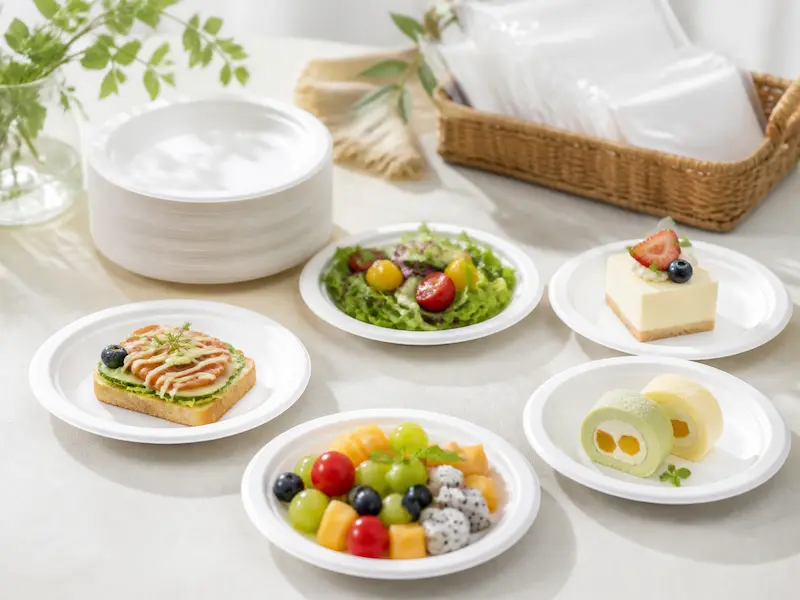
Final Recommendation: Choosing Sugarcane Bagasse Plates for Sustainable Foodservice Growth
Choosing disposable tableware is no longer only a cost decision. Modern businesses need packaging solutions that support operational performance, customer expectations, and sustainability goals.
Sugarcane Bagasse Plates provide a practical option for restaurants, catering companies, and foodservice distributors because they combine:
- Renewable fiber materials
- Commercial foodservice performance
- Flexible application options
- Sustainable brand value
- Professional supply capability
The best purchasing approach follows a clear decision process:
| Decision Step | Recommended Buyer Action |
|---|---|
| 1. Understand Application | Identify food type, temperature, and usage environment |
| 2. Evaluate Material | Check fiber quality and sustainability requirements |
| 3. Confirm Compliance | Review testing and market requirements |
| 4. Select Supplier | Choose manufacturers with stable production capability |
For companies looking to upgrade their disposable food packaging strategy, selecting the right bagasse solution can improve customer experience while supporting long-term sustainability goals.
Businesses interested in discussing product requirements, customization options, and supply solutions can connect with a professional sugarcane bagasse plates supplier to evaluate suitable packaging options.
Frequently Asked Questions About Sugarcane Bagasse Plates
1. What are Sugarcane Bagasse Plates made from?
Sugarcane Bagasse Plates are made from bagasse fiber, which is the fibrous material remaining after sugarcane juice extraction. The fiber is processed into pulp and molded into disposable plates through specialized manufacturing technology. Because the material comes from an agricultural by-product, it is widely used for sustainable food packaging applications.
2. Are Sugarcane Bagasse Plates compostable and environmentally friendly?
Sugarcane Bagasse Plates are commonly considered an environmentally friendly disposable tableware option because they use renewable plant-based fiber materials. Compostability depends on product composition, certifications, local composting conditions, and supplier documentation. Businesses should verify specific claims before using them for marketing purposes.
3. Can Sugarcane Bagasse Plates hold hot food and oily meals?
Yes, properly manufactured Sugarcane Bagasse Plates are designed for many hot foodservice applications, including meals, fried foods, and dishes containing sauces. Performance depends on plate design, fiber quality, and manufacturing standards. Buyers should test samples with their actual menu items before ordering large quantities.
4. How do restaurants choose the right bagasse plate supplier?
Restaurants should evaluate suppliers based on manufacturing capability, quality control, food safety documentation, customization support, and delivery reliability. A professional supplier should provide product information, samples, and production support rather than focusing only on low prices.
5. What should businesses check before buying wholesale Sugarcane Bagasse Plates?
Wholesale buyers should check material quality, product dimensions, strength performance, certifications, production capacity, and supplier experience. Selecting the right supplier helps reduce risks related to inconsistent quality, delayed delivery, and unsuitable product performance.
References
- Sustainable Packaging Coalition: Definition and Principles of Sustainable Packaging — GreenBlue Organization
- Packaging and the Circular Economy: Opportunities and Challenges — Ellen MacArthur Foundation
- Food Packaging: Principles and Practice — Gordon L. Robertson, CRC Press
- EN 13432 Packaging Requirements for Composting and Recovery — European Committee for Standardization
- ASTM D6400 Standard Specification for Compostable Plastics — ASTM International
- Single-Use Plastics and Sustainable Alternatives Report — United Nations Environment Programme (UNEP)
- The Future of Sustainable Packaging Materials — Smithers Packaging Research
- Sustainability in Packaging: Market Trends and Consumer Expectations — McKinsey & Company
Understanding the Complete Value of Sugarcane Bagasse Plates
What are Sugarcane Bagasse Plates?
Sugarcane Bagasse Plates are plant fiber food packaging products created from sugarcane residue. They provide restaurants, catering companies, and foodservice businesses with a practical disposable tableware solution that combines sustainability and daily usability.
Why are businesses choosing bagasse tableware?
Businesses are adopting bagasse products because customers increasingly value sustainable packaging choices. Renewable fiber materials help brands communicate environmental responsibility while maintaining reliable foodservice performance.
How should buyers select the right product?
The correct choice depends on application requirements. Restaurants should consider food type, temperature, and usage conditions. Catering companies should prioritize supply stability, while distributors should evaluate production capacity and supplier reliability.
What risks should buyers avoid?
Companies should avoid selecting products only based on price, ignoring compliance requirements, or purchasing without testing actual applications. These mistakes can lead to quality issues, operational problems, and customer dissatisfaction.
What makes a supplier valuable?
A reliable manufacturer provides consistent production, quality control, customization support, and long-term cooperation. The right supplier helps businesses build a stable packaging supply chain.
For restaurants, catering companies, and foodservice distributors, Sugarcane Bagasse Plates represent more than disposable tableware. They are a strategic packaging choice that connects operational efficiency, customer experience, and sustainable business development.